Flood Damage Restoration Services
Backed by 35+ years of experience, Flood Damage Restoration Services of AllAces combines advanced drying and extraction technology with expert restoration techniques to remove water, sanitise surfaces, prevent mould, and return your property to its pre-flood state.
35+ Years of Experience
65,000+ Jobs Completed
10+ Industry Accreditations
4.9/5 Google Reviews
Expert 24/7 Flood Damage Response
4 Easy Steps in the Flood Restoration Process
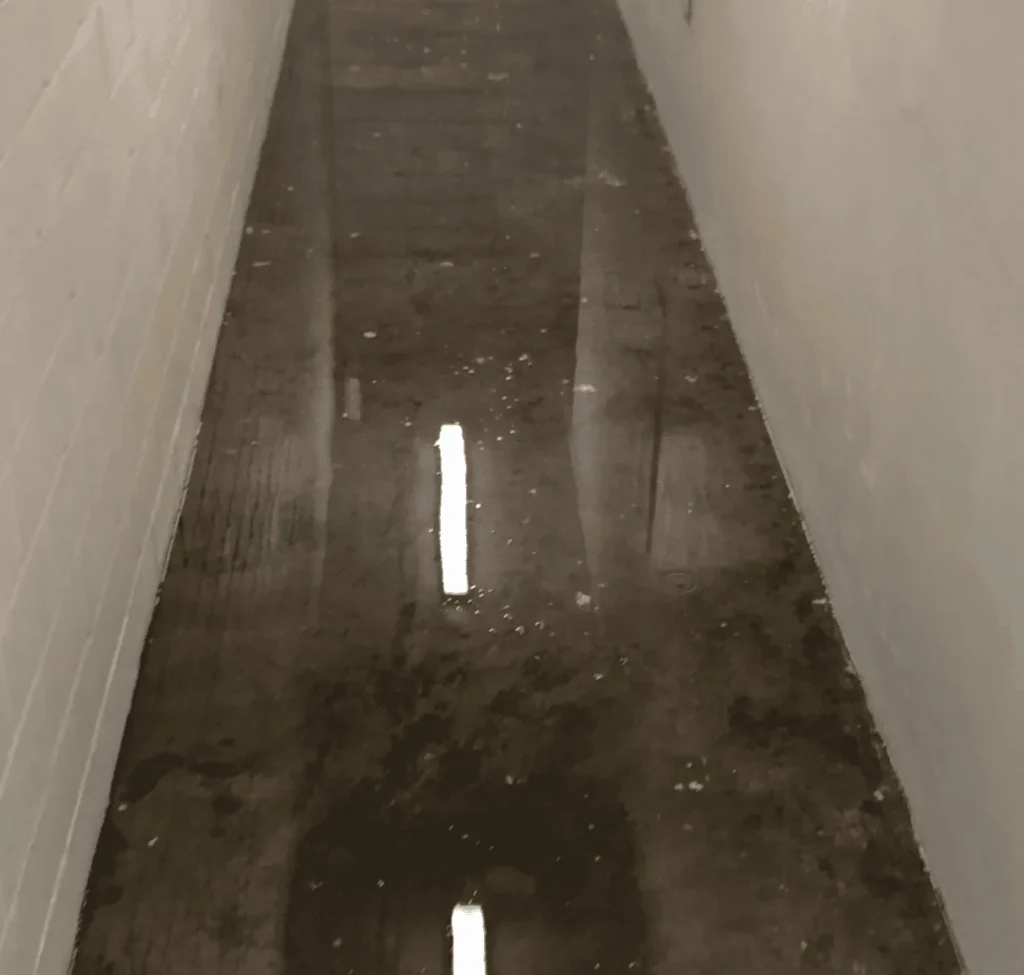
Emergency Assessment and Water Extraction
We arrive fast to stop water damage before it spreads further.
- 24/7 rapid response
- High-capacity water extraction
- Immediate damage containment

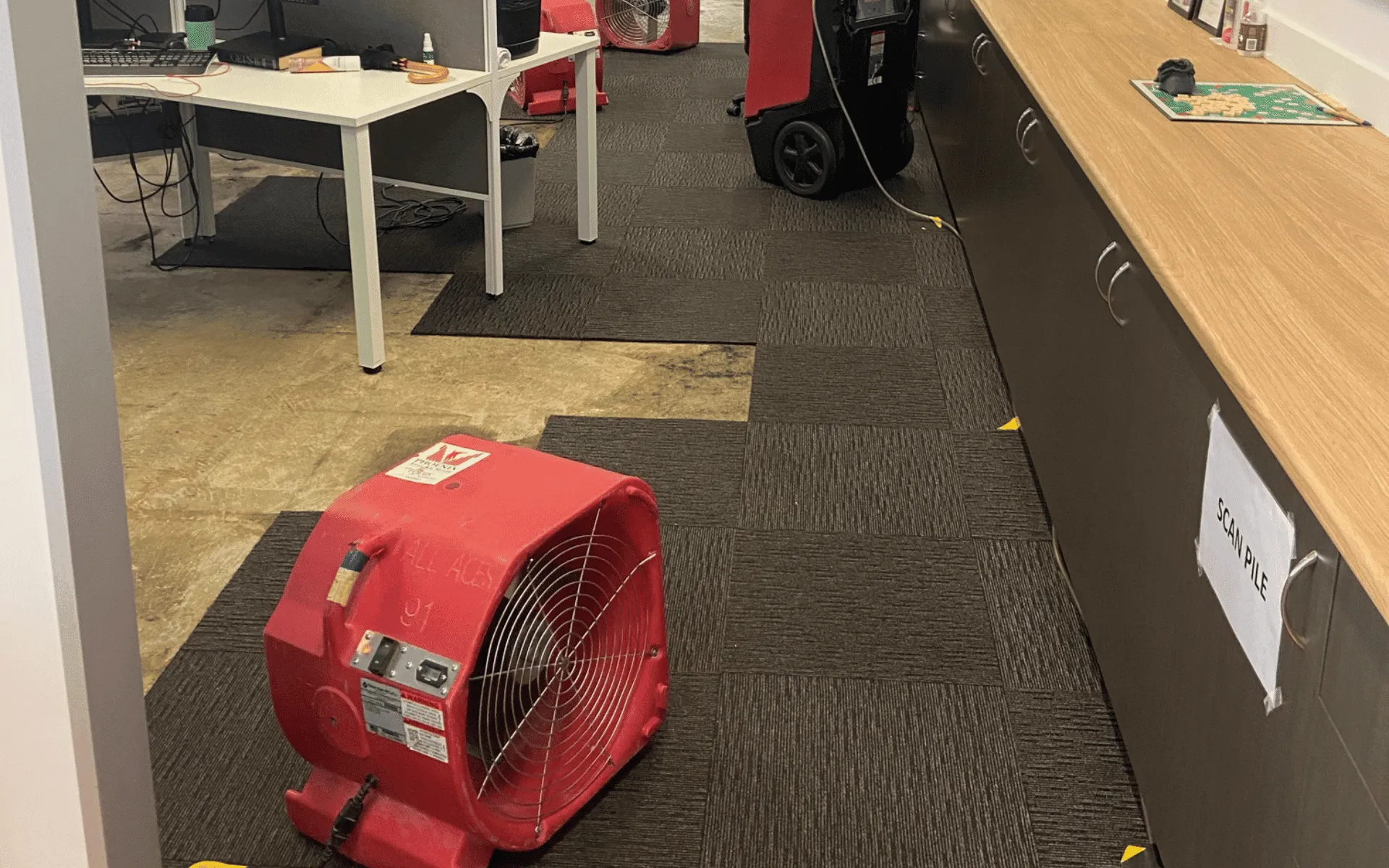
Drying and Structural Dry-Out
We target hidden moisture inside walls, flooring, and concrete slabs.
- Commercial drying systems
- Thermal moisture detection
- Minimal demolition where possible

Clean-Up, Sanitisation and Odour Control
We clean, disinfect, and deodorise affected areas to restore a safe environment.
- Hospital-grade antimicrobial treatment
- Odour neutralisation
- Mould prevention treatment

Final Restoration and Verification
We verify the property is fully dry and provide insurer-ready documentation.
- Detailed moisture testing
- Dry-standard verification
- Insurance support reporting

Dealing with flood damage? Every minute counts. Get our expert team on-site immediately.
☎ 1800 00 10 10
Solutions for Every Property Asset
For Property Owners
When an apartment flooded, the risk of hidden structural decay is immediate. We move fast to protect your investment and prevent long-term damage to your asset.
For Building Managers
Ensure the safety of your residents with our comprehensive flood restoration protocols. We manage complex multi-unit situations to prevent structural failure across shared slabs and shafts.
For Body Corporates
We provide 24 hour water damage restoration to meet strict compliance standards. Our swift intervention mitigates liability and protects the collective interests of your community.
Emergency Support
Don't let moisture linger. Our rapid-response teams provide expert flood damage restoration across Sydney, Brisbane, and Melbourne to secure your property and support your insurance claim.
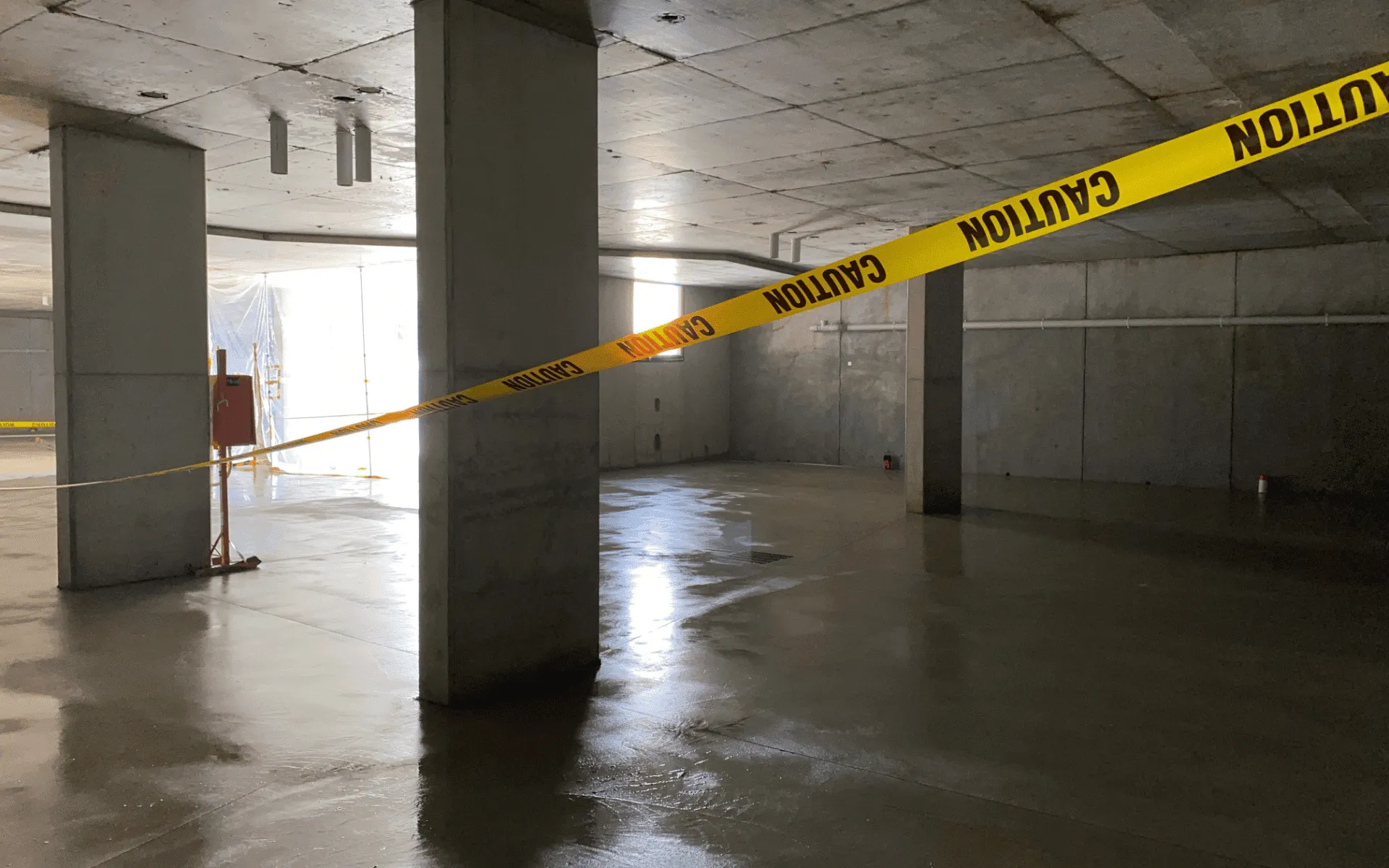
Completed Portfolio of Flood Mitigation and Restoration


Hear from Our Happy Customers
Posted on Google
 Allan4 days ago
Trustindex verifies that the original source of the review is Google.
Very patient management as we worked through a tough time. Great young team when we finally had the go ahead to start remediation. Highly recommended!Posted on Google Virginia5 days agoAllAces Cleaners arrived at the time previously arranged All works done very well+3Posted on Google
 Crystle5 days agoReally happy with the job done! Had my couch and rug cleaned and both came up great.Posted on Google
 Amanda6 days agoJulian did a wonderful job removing the mould in one of our bedroom & also the ceiling in our sunroom. He was knowledgeable, listened to our concerns & the job wasn’t treated like a rush job, he was very thorough. I can’t recommend him highly enough. Many thanks JulianPosted on Google
 Jess15 days agoLouie & his team did a wonderful job!Posted on Google
 Victoria18 days agoWesley did a great job of removing mould from around the house. He was friendly, professional and very thorough.Posted on Google
 Leigh20 days agoMarc gets 5 Stars because he did a great job AND he was trustworthy, kind, and thoughtful. He listened and paid attention to detail. I highly recommend!!Posted on Google
 Jenny26 days agoI highly recommend the All Aces team for the amazing job they did to remove nicotine odour from my property. My main point of contact was Joseph, who was friendly, professional and attentive throughout the process. He took the time to listen to my concerns and provided expert advice on the best approach to effectively eliminate the odour. The entire team was professional, efficient, and thorough, and they surely did a fantastic job. The results exceeded my expectations, and I couldn’t be happier with the servicePosted on Google
 Sirish27 days agoJeremy and Wesley did a fantastic job with our Condition 3 mould remediation. From start to finish, they were professional, thorough and incredibly helpful. They went above and beyond to make sure the job was done properly, and we were extremely impressed with the quality of their work. We absolutely loved the result and wouldn’t hesitate to recommend Jeremy and Wesley to anyone needing mould remediation. Also a big thank you to Nick and Bella for patient and answering all my questions. Fantastic service and a great team — highly recommended!Posted on Google
 Fleur32 days agoGreat de-molding of car. Prompt responses to emails.Posted on Google
 Sarah33 days agoCannot speak highly enough of All Aces. Every person involved including the technicians who came out to investigate the property have been incredibly professional and an absolute delight to work with. Both Carla and Bella managed the whole process and were patient with my delays. Wes and Jeremy were tasked with cleaning the entire apartment as mould had spread and was extensive. Both Wes and Jeremy took the time to thoroughly clean the apartment, leaving no stone unturned. They promptly communicated everything with me and kept me updated throughout the day. Wes worked out where the moisture was coming from in the apartment and Jeremy found rings that I had lost behind a cupboard they had to move. I cannot thank both of them for their contribution to cleaning my apartment enough.Posted on Google
 Maree36 days agoExcellent company and easy to deal with. The assessment done by the friendly general manager was thorough and balanced. The technician who came for the work was excellent. He was very polite and discreet and worked very hard. We were very happy with the results.Posted on Google
 Nick39 days agoabsolutely amazing service from everyone. The ladies I organised everything with were super easy and knowledgeable. Julian and Mark both absolutely smashed out my job, were super friendly, understanding, nonjudgmental. Definitely would use them againPosted on Google
 Byrnzy40 days agoHad silica dust throughout kitchen - called All Aces at 7pm and they were here by 8pm - throughly cleaned the area and were out the door by 10pm Dali was clear and upfront on the phone and had a cleaner on the way within minutes Ethan, the young professional who arrived on site, provided an A1 service and decontaminated the area swiftly. He was knowledgeable and respectful. I hope to not need this kind of service again but if I do, these guys are on speed dial!Posted on Google
 Alton47 days agoJoe was plesant and did worked with me to get the best price. Happy with their service. Job done in timely matter.Posted on Google
 Age48 days agoJoseph, is straight to the point and completely honest. Very easy to talk to and contact. Couldn't be happier. Thankyou.Posted on Google
 Catherine49 days agoJoseph and Deacon arrived perfectly on time and were so thorough and personable. They gave me honest and genuine feedback on the house and let me know areas of immediate action but also areas to keep an eye on. And suggestions to make my home less susceptible to mould! Would highly recommend them! Their quotes were given promptly and their follow up impeccable. Would use them again for surePosted on Google
 Leisa56 days agoGreat service and friendly team. Would highly recommendPosted on Google
 Amy56 days agoReally please with this cleaning service! Communication with the team was great, the gentleman who did the cleaning did an excellent job, and all in all the experience was really fast and friendly. Will use again!Posted on Google
 Shay62 days agoWe used AllAces NSW recently for our property. They carried out the work as discussed but beyond that, they were incredibly professional throughout the process and were available for ongoing communication post work completed. We were supported by Bella, a business service manager, who was incredibly helpful and went above and beyond to support us.Verified by TrustindexTrustindex verified badge is the Universal Symbol of Trust. Only the greatest companies can get the verified badge who has a review score above 4.5, based on customer reviews over the past 12 months. Read more


Certified & Accredited Professionals
When a flooding apartment crisis strikes, relying on unaccredited contractors who guess at structural drying is a massive financial risk. The Institute of Inspection, Cleaning and Restoration Certification (IICRC) sets the global, science-backed standard for advanced water mitigation. For building managers and body corporates, hiring an accredited firm ensures your property is managed under a highly regulated, predictable framework.
Choosing our IICRC-certified specialist teams guarantees:
Elite Training: Our technicians in Brisbane, Melbourne, and Sydney are fully trained in industry-approved drying sciences to execute flawless flood restoration across Sydney, Brisbane, and Melbourne.
Zero Guesswork: Data-driven protocols that map and eliminate hidden moisture behind drywall and beneath underlays without unnecessary demolition.
Total Compliance: Comprehensive documentation that satisfies strict insurer audit requirements, accelerating your flood damage restoration insurance claim approval.

Urgent Flood Emergency? Get an Expert on-Site Fast
Don’t wait for hidden water to cause structural damage or toxic mould. Contact our 24/7 rapid response team now, and AllAces will dispatch a qualified technician to inspect your property in Sydney, Brisbane, or Melbourne. You’ll receive detailed recommendations and a transparent, customised quote tailored to your exact restoration needs.
Contact Form
Frequently Asked Questions
Our team are just a phone call away if we haven’t answered all your questions here.
After ensuring everyone’s safety, contact a flood restoration service as soon as possible. Turn off the main power if it’s safe to do so and avoid using electrical appliances. Document the damage with photos or videos for insurance claims.
The timeline varies significantly depending on the volume of water, the size of the affected area, and the building materials involved. Initial water extraction usually takes 1 to 2 days, but the critical structural drying phase can take anywhere from 3 to 7 days. We continuously monitor moisture levels and only conclude the process when our instruments confirm your property is completely dry.
If the flooding is minor and contained to a specific room, you may be able to stay. However, if there is extensive damage, if the water is highly contaminated (such as river floodwater or stormwater), or if power needs to be disconnected for safety, we strongly advise arranging alternative accommodation until the property is thoroughly dried, sanitised, and deemed safe to re-occupy.
Water damage worsens by the hour, increasing the risk of structural rot and severe mould growth. We offer a rapid 24/7 emergency response service. Our goal is to have a team of certified technicians on-site as quickly as possible to mitigate secondary damage and begin the water extraction process immediately.
We use advanced extraction and drying equipment, plus trained professionals, to ensure every trace of moisture (visible or hidden) is removed.
Absolutely. Floodwater brings heavy, musty odours and creates the perfect breeding ground for rapid mould growth. Our restoration process includes applying hospital-grade antimicrobial treatments to eradicate bacteria and prevent mould spores from taking hold. We also utilise HEPA air scrubbers and advanced deodorisation equipment to completely neutralise odours, rather than just masking them.
Our services can encompass a comprehensive range of professional clean-up and recovery solutions, including:
Wet carpet drying and sanitisation
Wood floor drying and moisture management
Structural drying to ensure long-term protection
Mould remediation and advanced odour control
Emergency response services and specialised restoration treatments
While it is tempting, using standard household fans or heaters is highly ineffective and can sometimes make the situation worse. Domestic heaters can create a warm, humid environment that rapidly accelerates toxic mould growth. Furthermore, household fans simply blow the wet air around, potentially spreading contamination to unaffected rooms. It requires commercial-grade low-grain refrigerant (LGR) dehumidifiers to actually pull the moisture out of the environment.
Have a different question? Browse all frequently asked questions →
Discover More Articles and Resources


Forensic Cleaning in Australia: The Process, Costs and Who Can Do It
Also Serving These Locations
AllAces provides certified restoration and remediation services across Australia. Find your local team below.