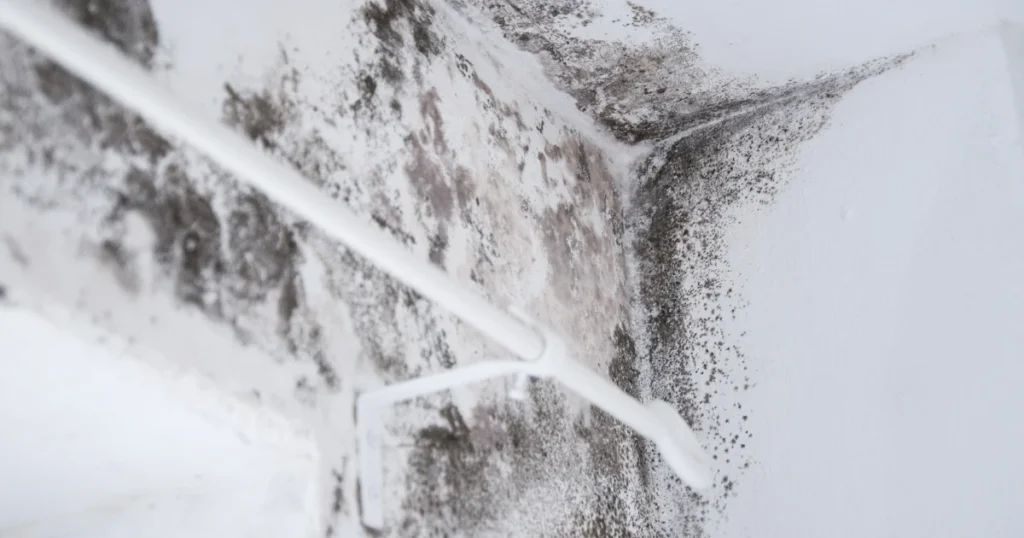
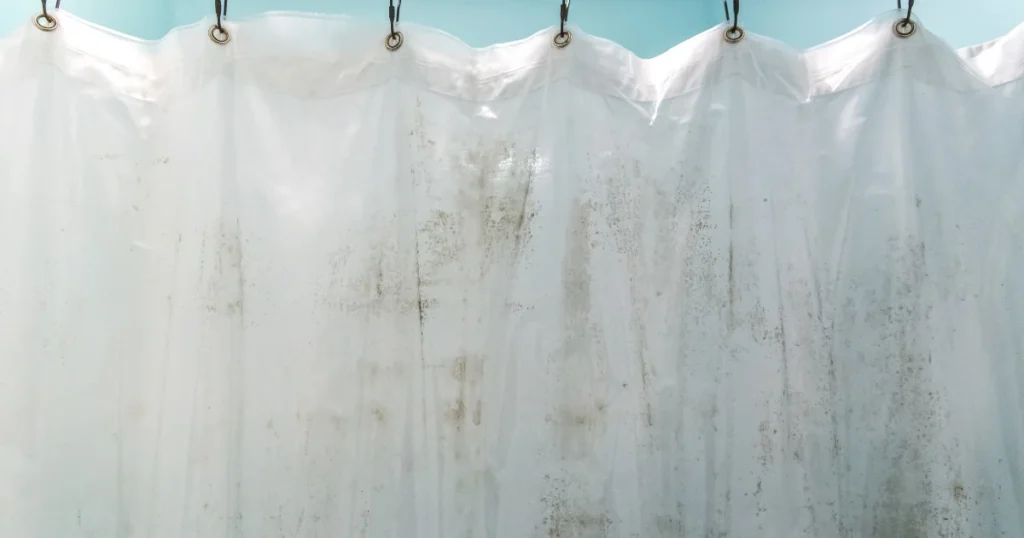
Mould and mildew thrive in similar conditions, which is why they are often mistaken for one another. Here are the common causes:
Excess Moisture
Leaks, spills, or high humidity levels create the perfect environment for fungal growth.
Poor Ventilation
Spaces with limited airflow, such as bathrooms, basements, and cupboards, are especially vulnerable.
Warm Temperatures
Both mould and mildew flourish in warm climates, making them a frequent issue in Australian homes.
Organic Surfaces
Materials like wood, paper, or fabric provide nutrients that encourage fungal growth.
Visually identifying whether you’re dealing with mould or mildew can save you time and effort. Here’s what to look for:
When in doubt, consult a mould remediation expert who can assess the extent of the problem.
Mildew might seem harmless at first but it can become a breeding ground for more aggressive mould if left untreated.
While mildew might seem harmless at first, it can become a breeding ground for more aggressive mould if left untreated. The risks associated with mould are far more serious:
Health Risks: Mould can trigger respiratory problems, skin irritation, and even more severe health issues for those with asthma or allergies. Black mould, in particular, is toxic and requires immediate attention.
Structural Damage: Mould can compromise the structural integrity of your home, causing wood to rot, walls to weaken, and paint to peel.
Decreased Property Value: Visible mould or mildew can reduce the value of your property, making it harder to sell.
The approach to handling mould and mildew differs based on the severity of the issue.
For smaller mould patches (less than one square metre), you can attempt DIY solutions:
If the mould covers a larger area or has penetrated porous surfaces, professional mould remediation is essential. Experts can safely remove the mould, repair damaged structures, and implement long-term prevention strategies.
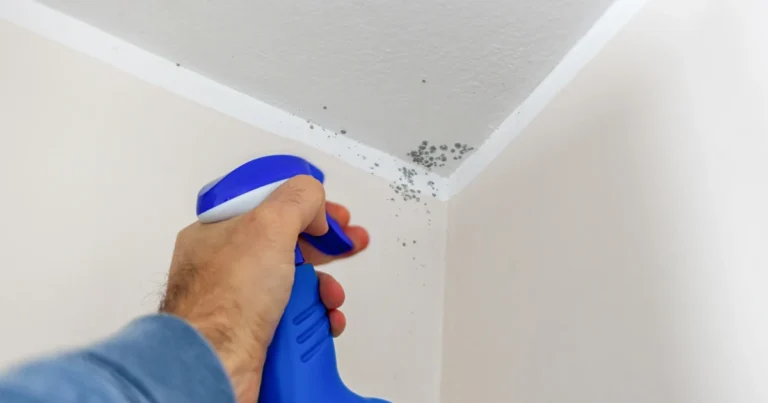
Here are situations where you should avoid DIY methods and consult mould remediation experts:
Professional mould remediation services use advanced tools to locate hidden mould, safely remove it, and implement preventive measures to keep your home mould-free.
Prevention is always better than cure. Here are some practical tips to minimise the risk of mould and mildew in your home:
While mould and mildew might appear similar, their impacts and treatments are vastly different. Mildew is often a surface-level nuisance that can be handled with DIY methods, but mould is a more serious problem that often requires professional intervention. Understanding these differences and knowing when to call for professional mould remediation can save you time, money, and health risks.
By identifying the type of fungal growth in your home and taking the appropriate steps, you can protect your family’s health and the structural integrity of your property. If you’re dealing with a mould problem that feels overwhelming, don’t hesitate to contact a professional mould remediation service for expert assistance.
Investing in the right solutions today will ensure a safer, healthier, and mould-free home for the future.
Does your property need professional mould remediation? Trust the expert with AllAces Cleaning & Restoration today!

With over six years at AllAces, IICRC-certified Nick Roth is our most experienced Mould Remediation specialist and a national technical cornerstone. He leads on the most complex mould testing and structural remediation challenges, bringing deep expertise in specialised equipment like Hydroxyl machines to support field teams across the country.