Biohazard Decontamination Services
We provide expert biohazard decontamination services across Brisbane, Melbourne, and Sydney. Using advanced technology and strict safety standards, our certified technicians restore contaminated spaces respectfully, ensuring your property is returned to a safe and habitable condition.
Speak to our Restoration Specialist.
Call 1800 00 10 10 now.

Compassionate Support for Sensitive Situations
How we can support you
We understand that requiring biohazard cleaning services or biohazard decontamination often follows a difficult event. Please know that you are not alone. Our role is to take care of the technical work so you can focus on yourself and your family.
Main Biohazard Cleaning Services Coverage
Professional Care When You Need It Most
Certified Expertise
As IICRC-certified specialists, we apply rigorous decontamination protocols to restore your property to a safe and hygienic standard.
Discreet & Respectful
Our uniformed team operates with total discretion, ensuring a professional, efficient, and compassionate presence on-site at all times.
Responsive Support
We provide dedicated 24/7 emergency response, ensuring you have immediate, expert assistance available whenever you need it most.
Simplified Insurance Claims
Our detailed reporting and industry-standard documentation make the insurance claims process straightforward and easy for you to navigate.
Need immediate professional support? Call our team 24/7 1800 00 10 10
Check Service Availability
Enter your postcode to check your local 100km response team deployment eligibility.
4 Steps in the Biohazard Decontamination Process
Assessment and Planning
We conduct a thorough site evaluation to identify all sources of contamination. This assessment guides a tailored remediation plan that defines safety measures, equipment, and disposal methods.

Containment and Safety Setup
The affected area is securely isolated to prevent any spread of hazardous materials. Our technicians establish controlled zones and equip themselves with full protective gear.

Contaminated Materials Disposal
All hazardous items are carefully removed, including biological waste and compromised materials. Anything that cannot be safely cleaned is sealed and disposed of through approved biohazard channels.

Deep Cleaning and Final Verification
We disinfect every surface using industry-approved agents to eliminate pathogens. After a final inspection, we ensure the area is not only restored to a pristine condition but is also completely safe for re-entry, allowing you to move forward with confidence.

Expert Biohazard Restoration: Case Study
The challenge
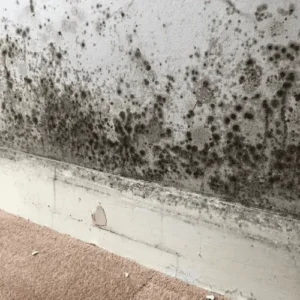
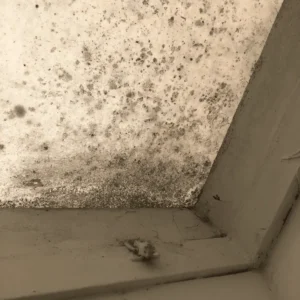
We met a client on-site at a two-bedroom property requiring urgent biohazard cleaning. The residence presented severe structural accumulation, critical health hazards from discarded medical items, and extensive mould build-up affecting both the living areas and the bathroom facilities.
The restoration process
Our experienced team deployed a comprehensive four-day restoration strategy. This involved the systematic clearing of all degraded materials, deep structural surface treatments, and targeted chemical sanitisation, including an intensive acid wash of the bathroom alongside advanced air scrubbing filtration systems.
The transformation
The property was successfully returned to an immaculate, safe, and habitable standard. Through our certified protocols for cleaning biohazard waste, we completely revitalised the home to give the family absolute peace of mind.
Hear from Our Satisfied Customers
Certified & Accredited Professionals
When dealing with sensitive and potentially hazardous situations, the expertise of your restoration team is the most critical factor in ensuring your property is truly safe. Our IICRC-certified technicians undergo rigorous, industry-leading training to master the complex protocols required for effective biohazard trauma services. Beyond simple cleaning, our team utilises advanced containment and sanitising methods to safely neutralise and remove biological contaminants, protecting your health and restoring your environment to its original, hygienic standard. Choosing a certified professional is your best guarantee of a thorough, compliant, and discreet resolution during a difficult time.
Why Expertise and Certification Matter
Verified Safety Standards: Our IICRC certification confirms that our technicians are trained to the highest global standards for handling infectious agents, ensuring all decontamination processes are executed safely and in full compliance with Australian environmental health regulations.
Advanced Technical Proficiency: Unlike general cleaners, our biohazard cleaning services specialists are equipped with professional-grade containment tools and industry-specific sanitising technology designed to eliminate pathogens at the microscopic level, effectively neutralising risks that standard cleaning cannot address.
Complete Peace of Mind: We provide thorough documentation of every step of the cleanup process. This level of transparency not only ensures the safety of your home or business but also provides the verified evidence often required for insurance claims and local property assessments.

Speak with a Restoration Specialist.
Ready to restore your space to a safe, hygienic standard? Send us a message to arrange an expert property inspection. We will provide a comprehensive assessment and a tailored quote, so you know exactly what to expect.
Contact Form
Frequently Asked Questions
Our team are just a phone call away if we haven’t answered all your questions here.
The process of removing, cleaning, and disinfecting biological substances that endanger human health or the environment is known as biohazard decontamination. Blood, bodily fluids, bacteria, viruses, and other pathogens that can cause infectious diseases are examples of these substances. To ensure that contaminated areas or surfaces are safe and free of hazardous materials, decontamination is required.
Biohazard decontamination services are critical for a wide range of people and businesses. These include healthcare facilities, laboratories, schools, businesses, public spaces, and homes that may contain biohazardous materials. Decontamination services may be required in hospitals for patient rooms, operating rooms, and other areas where infectious diseases can spread. Decontamination of crime and accident scenes is also required to remove hazardous materials such as blood and bodily fluids.
Hiring a professional biohazard decontamination company has a number of advantages. To begin, professionals have the necessary training, equipment, and experience to remove and dispose of hazardous materials in a safe and effective manner. They also adhere to strict protocols and regulations to ensure that decontamination is done correctly. Furthermore, professional decontamination can help to prevent the spread of infectious diseases, reduce liability and legal risks, and provide individuals and organisations with peace of mind.
Yes. We offer 24/7 emergency response to ensure rapid mobilisation and immediate intervention — especially crucial following traumatic events such as accidents or unattended deaths.
Discover More Articles and Resources