

Professional meth decontamination services rely on industry-standard procedures and licensed technicians trained in hazardous material handling. They ensure that all contaminated surfaces, both visible and hidden, are treated thoroughly and safely. Here’s what expert hazardous surface cleaning typically involves
The first step is a comprehensive site assessment. Specialists evaluate the extent of contamination, identify high-risk zones, and determine whether structural materials or furnishings are affected. In meth decontamination, this includes examining kitchens, bathrooms, air ducts, and areas where chemicals were stored or disposed of.
Every site requires a tailored decontamination plan that outlines cleaning methods, safety protocols, waste disposal processes, and timelines. This ensures regulatory compliance and safe execution.
Decontamination technicians use full PPE, including chemical-resistant suits, gloves, respirators, and boots. In meth decontamination, the chemicals present can include volatile solvents, strong acids, and reactive agents, all of which require controlled handling.
Specialist solutions are used to neutralise and remove contaminants from hard and porous surfaces. HEPA-filtered vacuums, enzyme-based cleaners, and chemical binders may be used depending on the contamination profile.
Testing is the backbone of any reliable meth decontamination process.
Testing is the backbone of any reliable meth decontamination process. It provides measurable assurance that a property has been restored to safe, habitable conditions.
This stage involves surface swabs and air quality monitoring to
• Confirm methamphetamine presence
• Identify contamination hotspots
• Determine the type and extent of chemicals present
Testing is conducted by certified laboratories that follow Australian national guidelines. In meth decontamination, levels above 0.5 µg/100 cm² typically require professional intervention.
Once cleaning is complete, the property is tested again to ensure it meets safety standards. This post-testing step is critical. It not only provides peace of mind to property owners and tenants but is often required by insurance providers, property managers, or local councils.
Without post-testing, there is no way to validate whether the meth decontamination process has effectively neutralised the site.
Attempting chemical or meth decontamination without professional expertise presents several serious risks
• Health hazards Improper cleaning can release airborne contaminants
• Cross-contamination Residues can spread to clean areas
• Legal liability Property owners may be held accountable if future occupants experience health issues
• Incomplete removal Household cleaners are ineffective against embedded methamphetamine residues
• False assurance Without scientific post-testing, there’s no way to confirm a property is truly decontaminated

In Australia, professional meth decontamination must align with the Australian Clandestine Drug Remediation Guidelines. Engaging certified professionals ensures the work complies with national standards and reduces legal and financial exposure.
In many cases, property owners can file insurance claims for chemical contamination. However, insurers typically require
• Proof of professional testing
• Detailed decontamination reports
• Independent post-clearance verification
Using a certified provider makes navigating this process straightforward.
Professional meth decontamination offers long-term benefits beyond immediate safety. These include
• Property value protection Proper decontamination prevents permanent damage to walls, ceilings, and ventilation systems
• Tenant retention Safe, clean environments reduce complaints and protect occupancy rates
• Legal protection Professional records offer evidence of responsible management
• Occupant health Avoiding health complications improves trust and satisfaction
Additionally, engaging experts can prevent costly remediation down the line. What may seem like a surface-level issue can easily escalate into full structural remediation if handled incorrectly.
Property owners, real estate agents, and tenants should consider meth decontamination if
• There’s suspicion or evidence of drug manufacturing or use
• The property was used by previous tenants with criminal histories
• Unusual chemical odours or staining are present
• Neighbours report concerns
• Professional screening tests return positive results
Even trace methamphetamine contamination can trigger health issues, especially in children and those with pre-existing medical conditions.
Not all cleaning services are qualified to perform chemical or meth decontamination. When selecting a provider, ensure they
• Hold proper certifications for hazardous materials handling
• Use accredited laboratories for testing
• Offer documented before-and-after test results
• Follow relevant state and federal remediation guidelines
• Have experience in both domestic and commercial property restoration
Reputation, transparency, and proven methodologies are essential. Look for companies that offer clear pricing, detailed project timelines, and comprehensive service guarantees.
Chemical contamination, especially from methamphetamine production, poses serious health and financial risks. DIY cleaning methods fall short of the rigorous standards required to neutralise these hazards. That’s why professional meth decontamination services are not only recommended, they’re often legally and ethically necessary.
From pre-testing and expert surface cleaning to post-decontamination verification, these services ensure properties are restored safely and completely. By partnering with certified professionals, property owners can protect themselves, their investments, and the health of future occupants.
If you suspect your property may be contaminated, don’t delay. Engage a trusted meth decontamination provider to ensure a clean, safe environment both now and into the future.
Does your property need professional decontamination? Trust the expert with AllAces Cleaning & Restoration today!
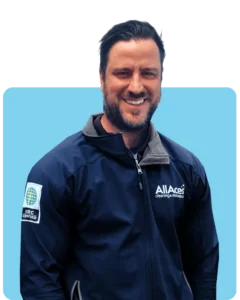
As AllAces’ expert in Meth Decontamination, David specialises in the safe assessment, rigorous cleaning, and total restoration of contaminated properties across Australia. Combining extensive hands-on experience with a meticulous approach to testing and scoping, he translates complex contamination scenarios into clear, actionable plans that ensure every property is safely returned to the highest standard.