
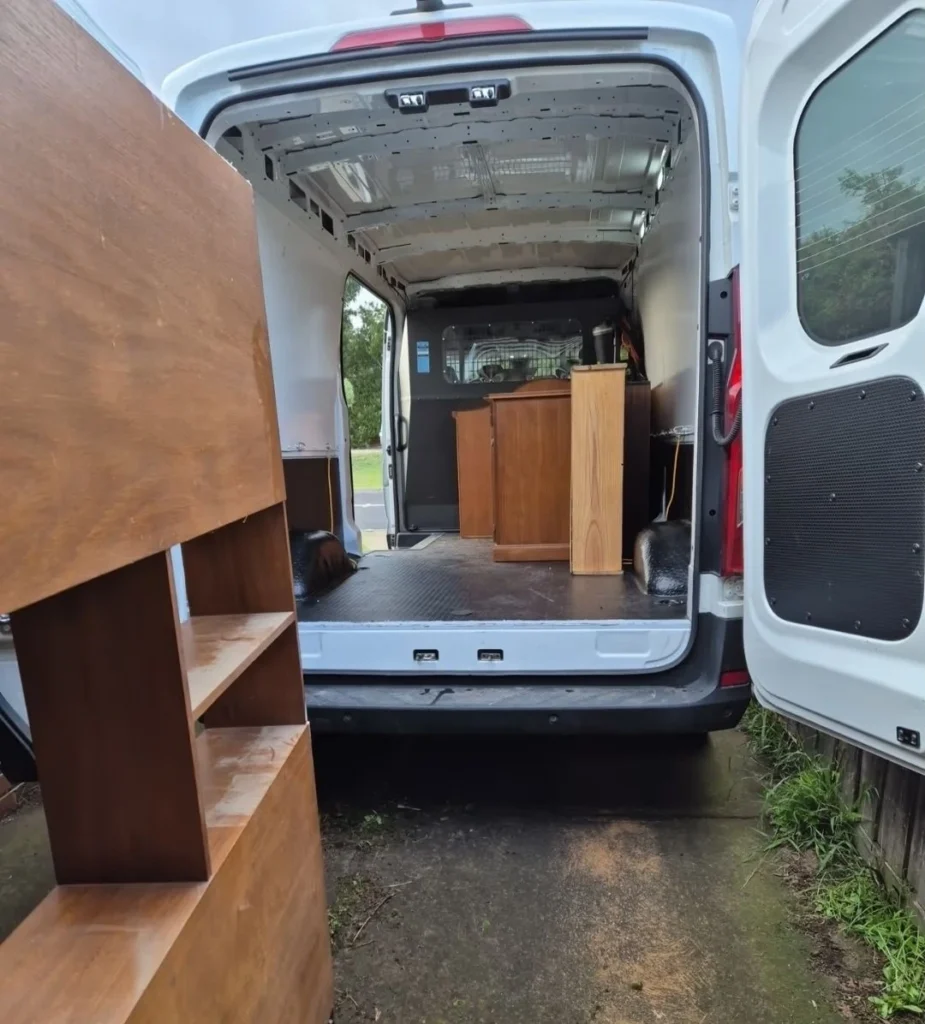
An estate clean out is the job of emptying a property after the owner dies or moves into care: everything from the lounge suite to the last tin in the shed.
This guide walks through what happens on the day, where the contents end up, how long an estate house clean out usually takes, and what to ask estate cleanout services before you book one.
Key takeaways
- An estate clean out removes contents. Cleaning the empty house is a separate step, unless your provider does both.
- The work happens in a set order: walk-through, search, sort, remove, sweep.
- Good estate cleanout services itemise their quote, carry insurance and can tell you where the waste goes.
- Ask who checks drawers and pockets before anything is loaded. That one question sorts careful crews from rubbish runs.
- A tidy one or two-bedroom home is often cleared in one to two days.
What is an estate clean out?
An estate clean out is the removal of a property’s contents after a death, a move into aged care, or a downsizing, so the home can be sold, leased or handed back. It covers furniture, household goods, personal belongings, garage and shed contents, and outdoor rubbish.
People use the term loosely. To some it means a skip and a weekend. To others it means a crew that sorts, donates, recycles and cleans. Before you compare prices, check which one you’re being quoted for.
If you’re still deciding whether to hire anyone at all, our guide to deceased estate house clearing compares the five usual options.
What happens during an estate clean out, step by step
What happens: The crew lead walks the property with you or the executor, room by room, including the roof space, garage and shed. Anything the family wants kept is marked or moved to one room.
Why it matters: It sets the scope, so nothing is loaded by mistake.
What happens: Before anything is loaded, drawers, pockets, books, boxes and containers are checked for documents, cash, jewellery, keys and photos. These are set aside for the executor.
Why it matters: Wills, titles and valuables turn up in the oddest places.
What happens: Contents go into four streams: keep, donate, recycle and dispose. Sharps, chemicals and gas bottles are pulled out and handled separately.
Why it matters: Less goes to landfill, and hazards don’t end up in a general load.
What happens: Furniture and bulky items go first, then boxed goods, then the garage, shed and yard. Donation and recycling loads go to their own destinations, not the tip.
Why it matters: Working in this order keeps walkways clear and safe.
What happens: The empty property is swept and checked, and the keys go back to the executor or agent. If cleaning is part of the job, it starts here.
Why it matters: It’s the point where you can see what still needs cleaning or repair.
Where everything goes
A careful estate clean out sends as little as possible to landfill.
Unwanted medicines can go back to any pharmacy through the RUM project. Recycling Near You, run by Planet Ark, lists drop-off points for e-waste, batteries and paint.
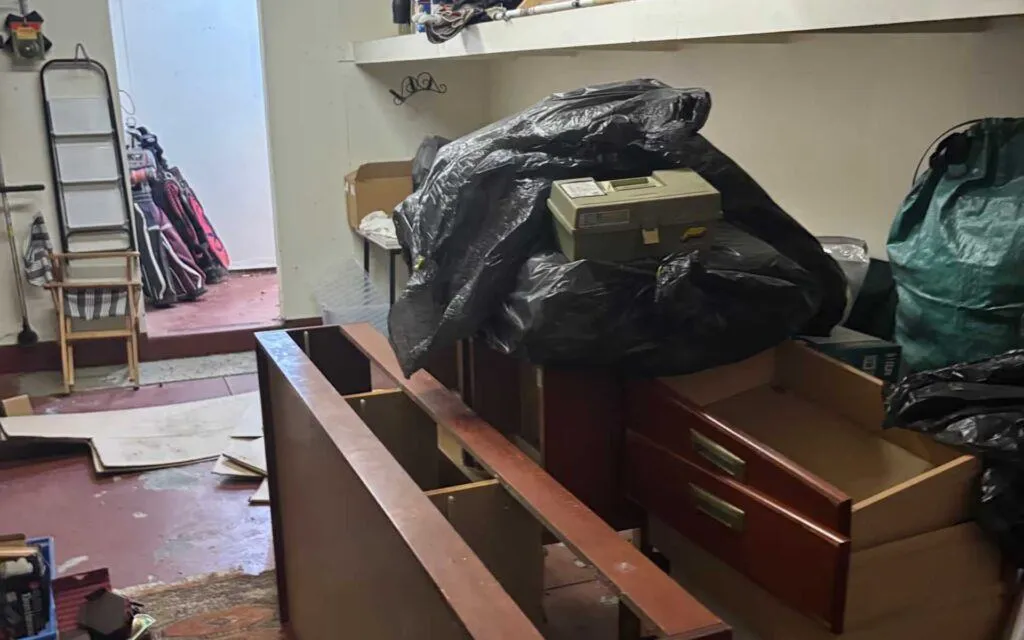
How long does an estate house clean out take?
A tidy one or two-bedroom home is often done in one to two days. A larger family home with decades of contents usually takes several days.
Three things stretch the timeline:
- Sorting. The more drawers and boxes that need checking, the longer it takes. That’s time well spent.
- Access. Stairs, long driveways and no truck parking all slow the loading.
- Condition. Hoarding, mould, odour or biohazards add treatment time. Our guide to cleaning a hoarder’s house after death covers what changes.
8 questions to ask estate cleanout services before you book
1. Is the quote itemised?
It should list removal, disposal, donation runs and any cleaning separately, so you can compare like with like.
2. Who searches the house before loading?
And what happens to what they find? The answer should be "we do, and it goes to the executor".
3. Are you insured?
Ask for public liability cover in writing.
4. Where does the waste go?
A good provider can tell you which items go to charity, recycling and landfill.
5. Can you handle hazards?
Sharps, chemicals, mould and odour need trained staff, not a general crew.
6. Will you clean the house afterwards?
Or will you need a second contractor once the contents are gone?
7. Can you work with an executor who lives interstate?
Photos, video calls and sign-off by email should be routine.
8. Is there an inspection fee, and is it disclosed up front?
At AllAces, inspections start from $120 and minimum work orders from $440.
For what moves the final price, see our guide to deceased estate cleaning costs.
Red flags: a firm price over the phone without photos, cash only, no written quote, or a crew that wants to “just load it all”.
Estate clean outs for units, houses and sheds
The process stays the same, but the effort doesn’t:
- Units and apartments: less volume, but lifts, stairs, loading docks and strata rules can slow things down. Book the lift with building management.
- Family homes: most of the time goes on sorting. Garages and sheds often hold as much as the house.
- Rural and acreage properties: machinery, old chemicals and outbuildings may need separate disposal arrangements.
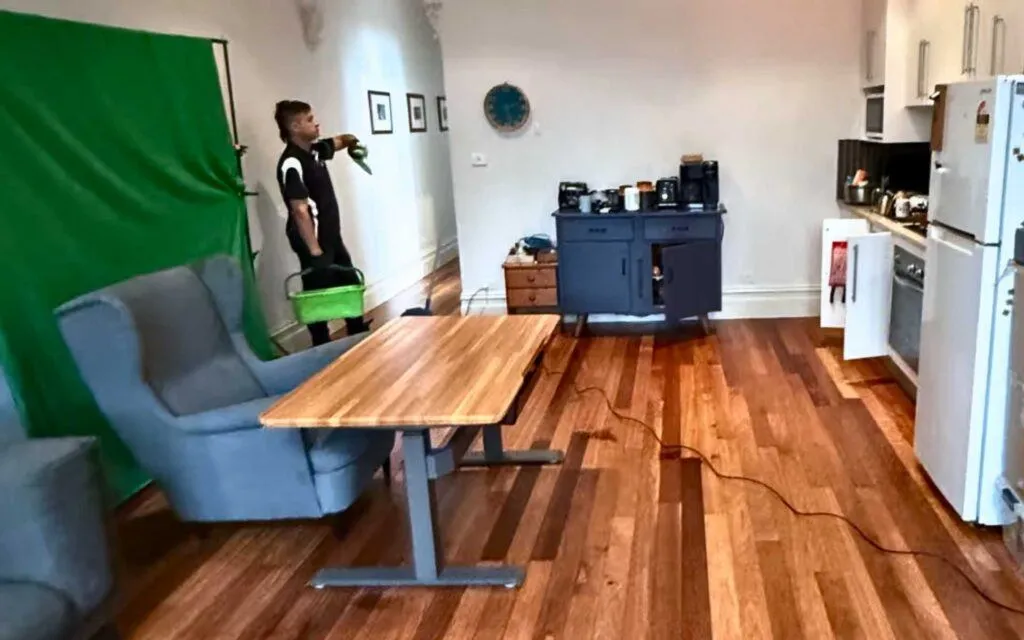
Booking an estate clean out with AllAces
Our deceased estate clear out service covers sorting, removal and cleaning with one team. AllAces is an IICRC Certified Firm, so odour, mould and hazards are handled in the same job. Executors who live interstate can arrange everything by phone, email and photos.
Frequently asked questions
Does an estate clean out include cleaning the house?
Not always. Many providers only remove the contents and sweep. If you need the house deep cleaned, deodorised or treated for mould, ask for it in the quote. Our guide to what’s included in a deceased estate clean up lists every cleaning task.
Do I need to be there for an estate clean out?
No. Many executors aren’t. Agree what to keep in writing, share photos or a video walk-through, and the crew can send photos as each room is done.
What happens to valuables found during an estate clean out?
They should be set aside and handed to the executor, never thrown out or given away. Ask how the crew records what it finds.
Can an estate clean out happen before probate?
Often the sorting and rubbish removal can start, but nothing of value should be sold or given away until the executor has checked with the estate’s solicitor. Our deceased estate checklist explains the order.
Where to go next
- Deceased estate house clearing: five options compared
- Deceased estate hazards: what to check before anyone starts lifting
- Our deceased estate clear out service
How this guide was put together
Written by Joe Toghian, AllAces’ hoarding and squalor clean-up expert (VIC), who has completed IICRC training and works on estate and hoarded properties across QLD, NSW and VIC. AllAces is an IICRC Certified Firm. Meet the AllAces experts.
General information only, not legal or financial advice. Prices are indicative ranges from published Australian cost guides and operators, checked October 2026. Last reviewed October 2026. Next review April 2027.