
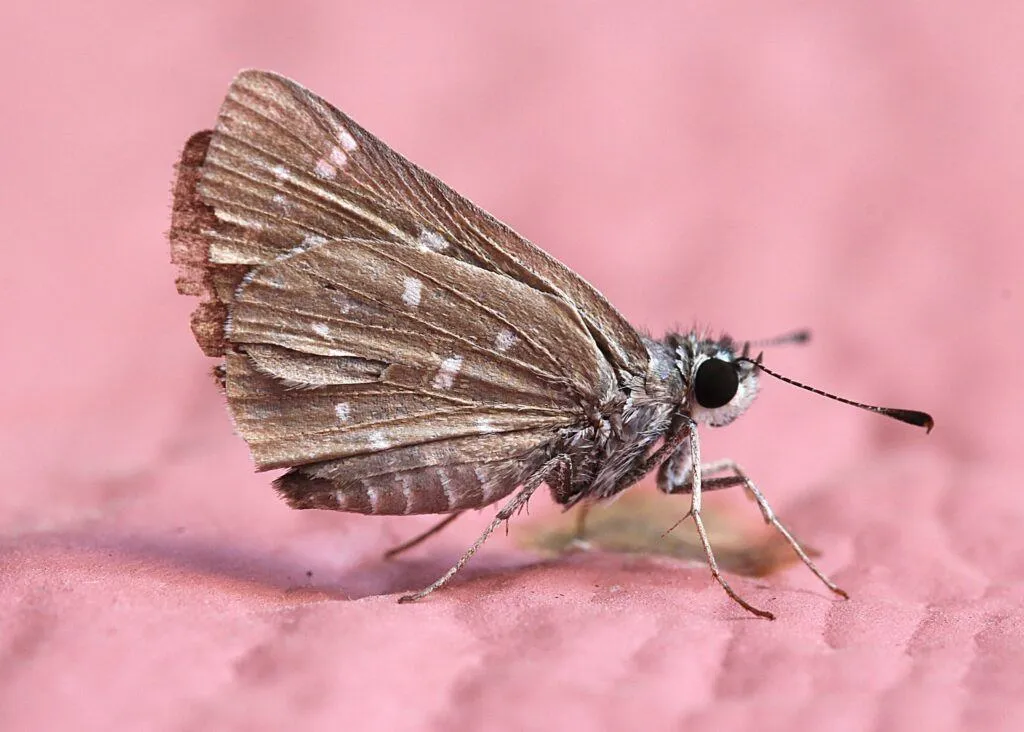
This article outlines 5 steps you will need to do to get rid of carpet moths.
Carpet moth can cause extensive damage to your home. Eating through your carpets, rugs, or upholstery, they can be a very expensive problem to have.
Surprisingly, it is the larvae that cause all the problems. Adult moths do not eat, they merely reproduce at an alarming rate! Carpet moths and larvae prefer warm, dark, undisturbed places like behind and under furniture, and along skirting boards.
That description also fits a classic car sitting in a garage over winter. Plenty of British and older luxury vehicles came with genuine wool carpet, and it is exactly the warm, dark, undisturbed environment larvae want. If a vehicle interior needs more than a vacuum, have the carpet and the ventilation system treated together so larvae are not left behind.
The key in carpet moth removal is to act fast! The professionals will be able to do the best job possible, but don’t wait. Go to your local hardware and get some moth traps today!
Key takeaways
- Target the larvae, not the moths. The caterpillars do the eating; the adults just breed.
- Look where nobody walks: under furniture, along skirting boards and in wardrobes.
- Disturbance is your best weapon. Regular, thorough vacuuming removes eggs and larvae.
- One treatment is rarely enough. Keep monitoring, because missed eggs hatch later.
Why am I getting carpet moths?
Carpet moths turn up where three things meet: natural fibres to eat, a warm spot, and nobody disturbing it. A wool rug under a bed that never gets vacuumed is close to perfect for them.
Carpet moths eat natural fibres such as wool, silk and cashmere as they are rich in keratin. Extracted from feathers and other such sources, keratin has many applications including the manufacturing of textile yarns. Dust can also contain a high reserve of keratin so even synthetic and cotton fibres can be used as a food source for carpet moth if they are dusty or soiled enough.
How to get rid of carpet moths in 5 steps
1. Identification: do I have carpet moth?
The two easiest ways to determine if you have carpet moth lurking in your home is to look for:
- Their cocoons
- Sections of patchy, or worn carpet
You are most likely to find both in dark areas such as carpeted closets, under lounge chairs, behind/under beds, or along the edges of rooms.
2. Assessment: how advanced is my carpet moth infestation?
Understanding how serious the situation is will allow pest control professionals to determine what tools are needed for the job. There are a few home-test kits on the market that will give you an indication of how serious the problem is, but if you are confident that you have a carpet moth problem, do not hesitate to call us on 1800 00 1010 to get the ball rolling.
Remember, the key is to act fast!
3. Eradication: how do I get rid of carpet moths?
To get rid of carpet moths for good, you have to target the larvae. As researchers at the ANU explain, it is the caterpillars, not the adult moths, that eat the wool.
There are several carpet moth slaying products available on the domestic market, but we strongly recommend contacting the professionals to seek expert help. Carpet moth are relentless and reproduce at an alarming rate. DIY carpet moth removal attempts are not often effective and will only prolong the damage done to your home.
4. Maintenance: how do I keep my home carpet moth free?
Unfortunately, our homes are a veritable mecca for carpet moth: sweat, dust, human hair, pet fur and food stains are all viable food sources. Below is a list of tips for effective ‘carpet moth removing’ cleaning.
- Lift things up when you vacuum! That’s where they live!
- If possible, take your rugs and throws outside for a good shake.
- Open curtains in rooms that get less traffic as it will make the spaces more unattractive to carpet moths.
- Make sure your vacuum bag is tied up well and taken immediately to the garbage collection bin, not your inside bin. This will prevent recontamination from the eggs and larvae you have already cleaned up.
- Don’t forget your curtains, they are not exempt from carpet moth intrigue, especially if they touch the ground.
- Clean under the seat cushions on your lounge chair, you would be horrified to know how quickly dead skin cells, dust, food particles and other particulates build up there.
5. Monitoring
Once you have removed the carpet moth from your home, you must remain vigilant. Remember, they reproduce exceptionally fast, so it is important to keep an eye on them. We recommend contracting a professional for twice annual pest control maintenance services.
What actually works against carpet moth larvae
Shop sprays and traps get most of the attention. They’re the smallest part of the fix.
Moth-eaten rugs can often be saved with specialist rug cleaning once the larvae are dealt with. If you’re finding small, round beetles or fuzzy larvae instead of moths, read our guide to carpet beetles, because the fix is similar but not the same.
Frequently asked questions
Can you ever get rid of carpet moths?
Yes, but rarely in one go. Killing the adults isn’t enough. You need to remove the larvae and eggs, treat where they hide, then keep monitoring, because eggs missed in the first round hatch later.
What is the best way to get rid of carpet moths?
A combination: thorough vacuuming under and behind furniture, a professional clean of affected carpets and rugs, a targeted pest treatment, and follow-up monitoring. Any one of those on its own usually leaves survivors.
Do moth traps get rid of carpet moths?
Not on their own. Traps catch adult moths, which tells you an infestation is active and roughly where. The larvae, which do the damage, carry on eating.
Do carpet moths only eat wool?
They prefer natural fibres like wool, silk and cashmere. Synthetic carpet can still be damaged if it’s dusty or soiled enough, because the larvae feed on the keratin in the dirt.
Where to go next
If you have any suspicions or concerns of carpet moth activity in your home, the friendly staff at AllAces Cleaning & Restoration can help you identify the pests, sometimes through a simple emailed photo. Contact us on 1800 00 1010. For other wear and damage, see our guide to common carpet problems.
How this guide was put together
Written by David Spencer from the carpet and rug jobs our team handles. AllAces is an IICRC Certified Firm working since 1988. Larvae biology: Australian National University. Meet the AllAces experts.