Most deceased estate clean-ups are sad, tiring and dusty. A smaller number are dangerous, and the danger is rarely the thing families expect.
The risk usually isn’t grief or heavy lifting. It’s the asbestos sheet behind the laundry tub, the insulin needles in a bedside drawer, the black mould behind a wardrobe that hasn’t moved in twenty years.
This guide covers the hazards our technicians actually find in Australian estate properties, how to spot them early, and the point where a family clean-up should stop.

Key takeaways
- The main hazards are physical, not emotional. Asbestos, used sharps, mould, biological residue and old chemicals cause most injuries and exposures.
- Age of the home matters. An estimated 1 in 3 NSW houses built or renovated between 1945 and 1990 contains asbestos, so don't drill, sand or break suspect sheeting.
- Expect sharps in older homes. Check pockets, drawers and bedside tables with gloves on and a torch, not bare hands.
- A death at home that went unnoticed is a biohazard job, not a clean-out. Family shouldn't enter until it's been assessed.
- Stop and call a specialist if you find suspected asbestos damage, bodily fluids, heavy mould or rooms you can't walk through safely.
Is deceased estate cleaning dangerous?
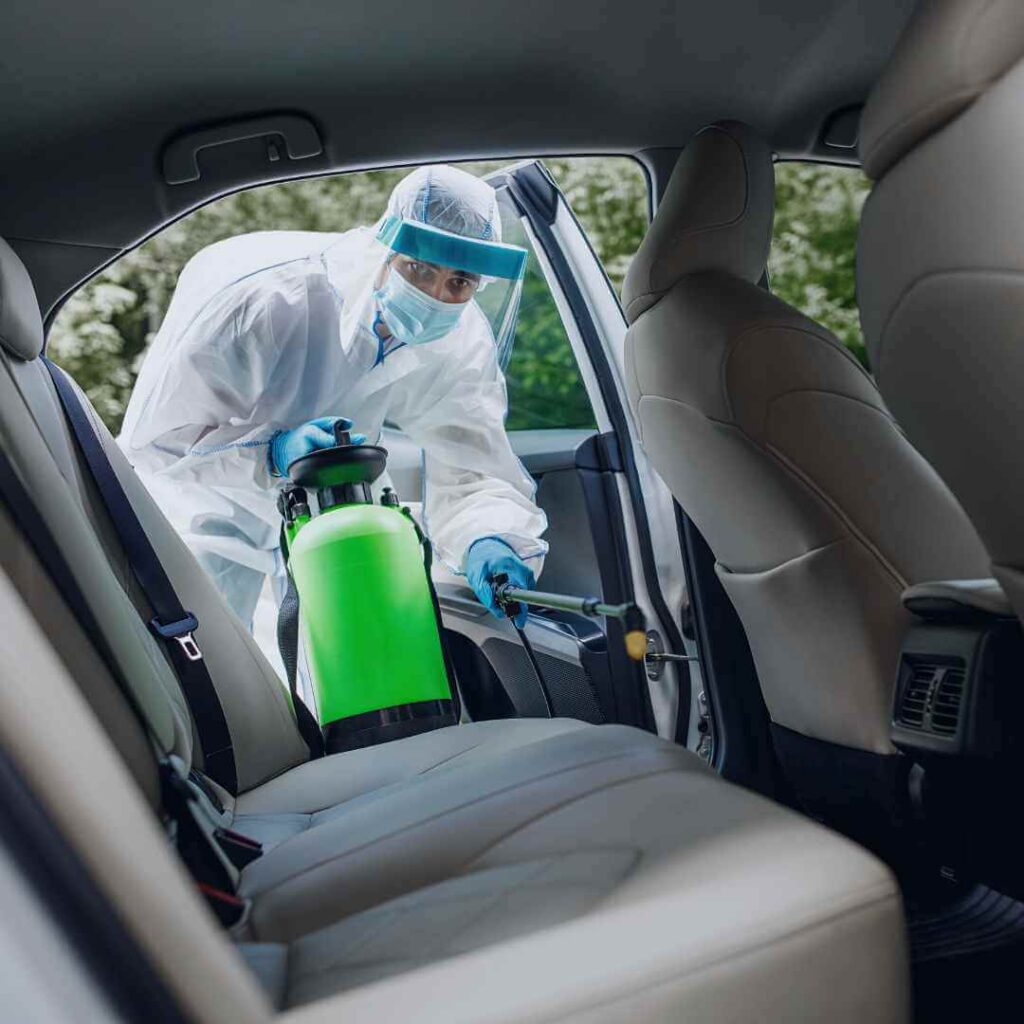
Usually not, but it can be. Most estate clean-outs are safe for families to do with gloves and common sense. The danger comes from a handful of hazards, mainly asbestos, used sharps, mould, biological residue and old chemicals, that are easy to miss until someone is exposed.
The pattern we see is simple. The longer a home has been lived in by one person, and the longer it’s sat empty, the more of these hazards stack up.
A tidy unit vacated last month is a cleaning job. A house lived in for 50 years and closed up since winter is a site that needs assessing first.
The six hazards found most often in estate properties
These six account for nearly every safety issue our teams deal with in deceased estate cleaning across NSW, QLD, VIC and TAS.
1. Asbestos
Fibro sheeting, eaves, vinyl floor tiles, old flues and backing boards in homes built or renovated before 1990. Safe if left alone, dangerous once broken.
2. Used sharps
Insulin pens, lancets and needles in drawers, pockets, handbags and bins. Common in the homes of older people managing diabetes or home care.
3. Mould
Grows fast in closed-up homes, especially in Queensland and coastal NSW. Often hidden behind furniture, inside wardrobes and under carpet.
4. Biological residue
Bodily fluids after an unattended death, plus rodent droppings, bird mites and pet waste in neglected homes.
5. Old chemicals
Pool chlorine, pesticides, paint strippers and unlabelled containers in garages and sheds, some decades old and now unstable.
6. Physical hazards
Rotten floorboards, overloaded shelving, unstable stacks, disconnected or faulty wiring, and gas appliances that haven't been serviced.
Asbestos: the one hazard you can't see
If the home was built or renovated before 1990, treat any fibro sheeting, textured ceilings, vinyl floor tiles and old eaves as possible asbestos until tested.
According to SafeWork NSW’s asbestos guidance, an estimated 1 in 3 houses in NSW built or renovated between 1945 and 1990 contains asbestos. Similar-era housing stock exists right across the country.
Asbestos in good condition isn’t a risk while it’s left alone. The problem during a clear-out is that people pull fixtures off walls, break old vinyl while lifting carpet, or smash sheeting to get furniture out.
Safe Work Australia is blunt about why that matters: breathing in asbestos fibres can cause asbestosis, lung cancer and mesothelioma.
Don’t drill, sand, cut or break anything you think might be asbestos. If sheeting is already cracked or crumbling, leave the room, close it off and get it tested by a licensed assessor before anyone keeps working.
Used sharps: where they hide
Sharps are one of the most serious injury risks we see in estate clean-outs. They’re rarely in a sharps container.
They turn up loose in bedside drawers, coat pockets, bathroom cabinets, handbags and kitchen bins. In homes where someone had home nursing or managed diabetes for years, expect them.
Safe practice
- Wear thick gloves and use a torch to check drawers and pockets before reaching in.
- Pick up sharps with tongs and drop them into a rigid, screw-top container.
- Take full containers to a public sharps bin, pharmacy or hospital, as NSW Health's community sharps guidance recommends.
Common mistakes
- Tipping drawers straight into garbage bags.
- Squashing bags down with your hands or feet.
- Recapping needles or snapping them off.
If someone does get a needlestick injury, healthdirect’s advice is to wash the wound with soap and water for at least 30 seconds, then go straight to a GP or emergency department.
Mould in a closed-up home
Mould is the hazard that gets worse the longer the property sits. A home locked up through a humid summer can go from musty to heavily contaminated in a few months.
NSW Health notes that mould can cause a runny or blocked nose, eye and skin irritation and wheezing. People with asthma, allergies, lung disease or weakened immunity are more at risk.
That last group often includes the elderly relatives who want to help sort the house. Keep them out of mouldy rooms.
Small patches on hard surfaces can be cleaned. Widespread growth, mould on soft furnishings, or a smell that hits you at the front door usually needs professional mould remediation before the contents are sorted.
Biological residue after an unattended death
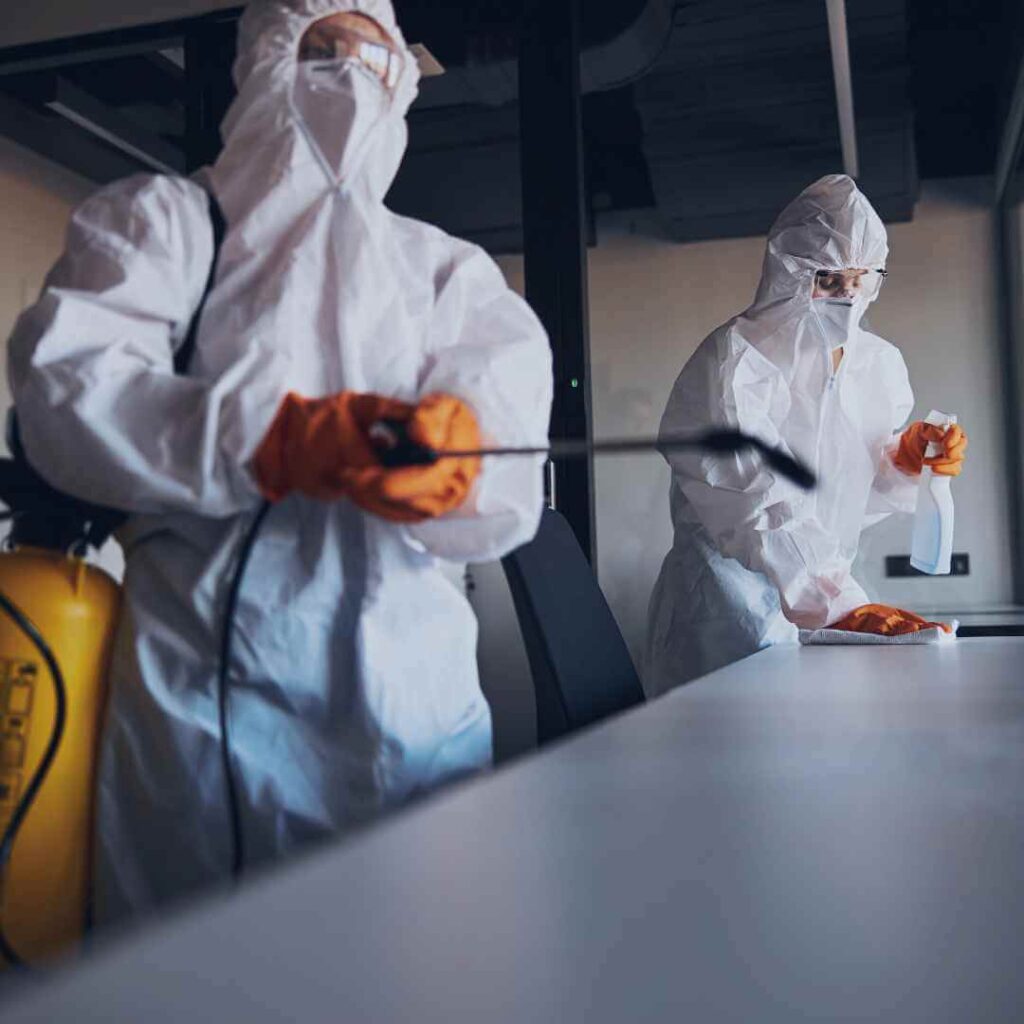
When someone passes away at home and isn’t found for some time, the property is no longer a clean-out. It’s a biohazard site.
Bodily fluids can soak into flooring, subfloor and furniture well beyond what’s visible. Odour is the most obvious sign, but the contamination under it is the real risk.
Family shouldn’t enter to clean or sort after an unattended death. Police or the coroner’s office will release the property, and it should then be assessed by a trauma cleaning team before anyone handles belongings.
Our guide to how forensic cleaners handle unattended deaths explains that process step by step.
Old chemicals, medicines and gas bottles
Garages and sheds in older homes are where the forgotten chemicals live. Think pool acid, weed killers, old paint thinners and tins without labels.
Don’t mix, pour out or bin them. Take household chemicals to your council’s hazardous waste drop-off.
Unwanted medicines go back to a pharmacy. The Return Unwanted Medicines (RUM) project takes them free at PBS-approved community pharmacies across Australia.
Physical and structural hazards
These cause more everyday injuries than anything else on the list. Think rotten floorboards near wet areas, overloaded shelves, wardrobes that tip once emptied and stacks that collapse.
Switch off power at the board before moving appliances. Get a licensed electrician or gas fitter to check anything that looks damaged before it’s used.
How to assess the property before you start
Do a hands-off walk-through first. Open windows, carry a torch, wear gloves and closed shoes, and note anything on the checklist below before a single bag is filled.
1. How old is the home, and when was it last renovated?
Built or renovated before 1990 means you should assume asbestos in fibro, eaves and old flooring until it's tested.
2. What does it smell like at the door?
A strong, sweet or rotten smell can mean an unattended death, rodents or heavy mould. Don't go further in until you know which.
3. Is there visible mould?
Anything bigger than a hand-sized patch, or mould on soft furnishings, is a job for a specialist.
4. Can you walk every room safely?
Blocked paths, unstable stacks or soft floors mean the clear-out needs planning and more hands.
5. Is there evidence of home care or medication?
Expect sharps. Clear drawers, bags and pockets with tools, not fingers.
6. Are the power and gas safe?
Faulty wiring, damaged appliances or a gas smell need a licensed trade before you start.
Two or more of these and it’s worth getting a professional assessment before the family starts. AllAces inspections start from $120 and you get a written quote before any work begins.
DIY clean-up or professional help?
Most families can safely do some of the work themselves. The table shows where the line usually sits.
For a fuller breakdown of time, cost and emotional load, read the pros and cons of a DIY deceased estate cleanup.
Benefits of a specialist estate clean-up
Hazards found early
Trained eyes spot asbestos, sharps and hidden mould before anyone is exposed.
Correct disposal
Chemicals, medicines, sharps and contaminated waste go to the right facility, not the kerbside bin.
Faster turnaround
A crew with the right gear clears in days what can take a family months of weekends.
Less strain on family
Relatives can focus on the belongings that matter and leave the hazardous work to others.
Records for the executor
Photos, lists and invoices that an executor can hand to the solicitor and accountant.
One team, start to finish
Sorting, clearing, cleaning and any decontamination handled without juggling contractors.
Why families and executors choose AllAces
AllAces has worked in cleaning and restoration in Australia for more than 35 years. We’re an IICRC-certified firm, with technicians trained in trauma, biohazard, mould and hoarding work.
That matters in estate properties, because the hazards above often turn up together. A single team can clear the contents and deal with mould, odour or biological contamination without handing the job between contractors.
We follow your written instructions on what’s kept, donated or disposed of, and we work with executors who live interstate. See how our estate and home clear-out service works, or meet the experts who run these jobs.
Frequently asked questions
What are the health risks of cleaning a deceased person's house?
The main risks are asbestos in older homes, needlestick injuries from used sharps, mould exposure, contact with biological residue and fumes from old chemicals. Most homes carry little risk, but a walk-through with gloves and a torch before you start will tell you which ones do.
Can family clean a house after an unattended death?
It isn’t recommended. Bodily fluids can soak into flooring and subfloor well beyond what’s visible, and they can carry infection risks. Once police or the coroner release the property, a trauma cleaning team should assess and decontaminate it before family sort belongings.
How do I know if the house has asbestos?
You can’t tell by looking. If the home was built or renovated before 1990, assume fibro sheeting, textured ceilings, eaves and old vinyl flooring could contain asbestos. Leave them intact and have a licensed assessor test anything damaged or due for removal.
What should I do with medicines and needles found in the home?
Take unwanted medicines to any PBS-approved community pharmacy for free disposal through the RUM project. Put needles in a rigid, screw-top container using tongs, and drop the container at a public sharps bin, pharmacy or hospital.
The bottom line
Most estate homes are safe to sort with care. The job is spotting the ones that aren’t, before anyone gets hurt.
Walk through first, respect the age of the building, and stop when you find asbestos damage, biological contamination, heavy mould or rooms you can’t move through safely. If you’re working through the rest of the property, our deceased estate checklist sets out what to do and in what order.
If you’re struggling with the loss itself, Griefline offers free, confidential support on 1300 845 745.
How this guide was put together
Written by Joe Toghian, AllAces’ hoarding and squalor clean-up expert (VIC), with technical input from Marc Christie, IICRC-certified trauma and biohazard cleaning expert (QLD). Meet the AllAces experts.
General information only, not medical, legal or safety advice for your specific property. Regulatory references reviewed September 2026. Next review March 2027.