Summary
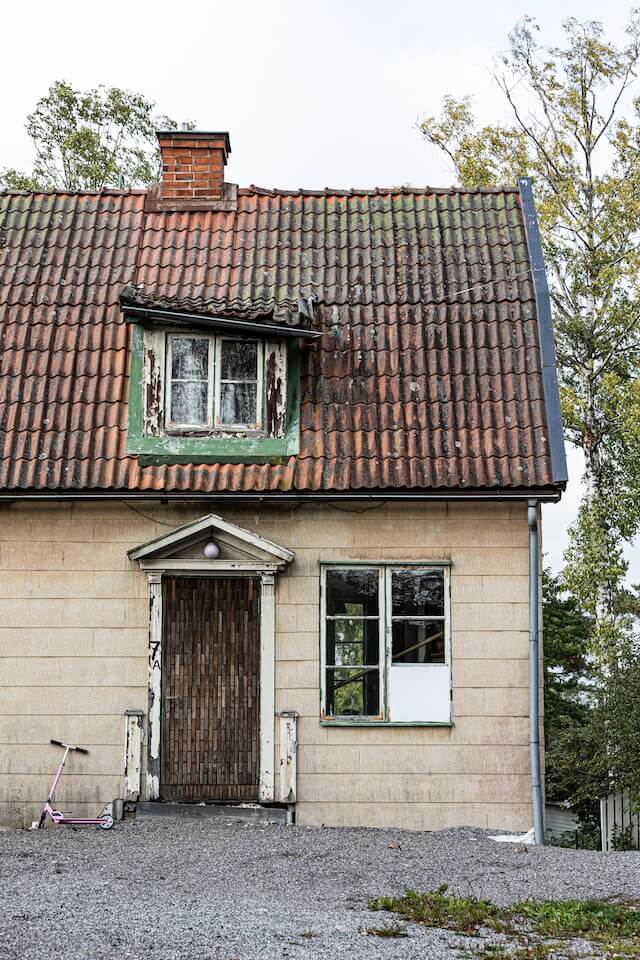
Deceased estate clean up involves cleaning and sanitising a property previously inhabited by a deceased individual. The costs involved can vary widely based on factors such as property size, condition, cleaning requirements, and the presence of hazards or sentimental items. Labour costs, cleaning supplies, waste disposal, specialised cleaning services, and sentimental item preservation are some key components contributing to the expenses. To manage costs effectively, consider obtaining multiple quotes, assessing the property, planning ahead, prioritising valuable items, and regular maintenance.
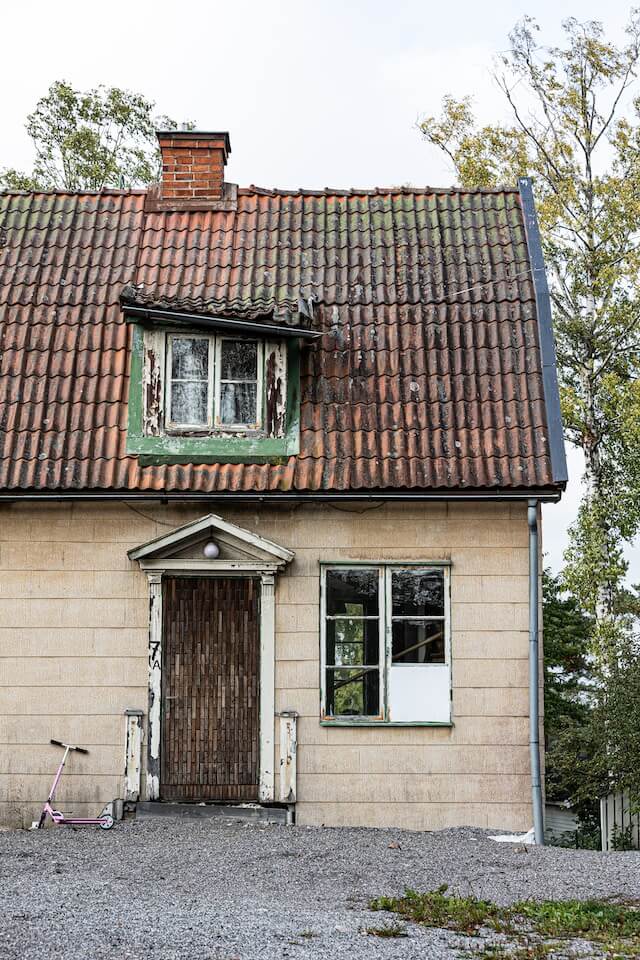
When it comes to deceased estate house clearing, the complexities and expenses involved can vary widely depending on numerous factors. It is crucial to have a clear understanding of these costs if you are considering such services. In this comprehensive guide, we will delve into the intricacies of deceased estate cleaning costs, shedding light on what factors influence them and how you can ensure that you receive the best value for your investment.
Understanding the Scope of Deceased Estate Cleaning
Before we delve into the costs, it’s important to have a clear picture of what deceased estate cleaning involves. This service typically encompasses the thorough cleaning and sanitization of a property where a deceased individual lived. It includes not only regular cleaning tasks but also addressing unique challenges that may arise in such situations, such as handling sentimental items, addressing hoarding tendencies, and dealing with potentially hazardous materials.
Factors Influencing Deceased Estate Cleaning Costs
Several factors can significantly impact the cost of deceased estate cleaning services. Here are the key determinants:
Size and Condition of the Property
The size of the property and its condition play a significant role in determining the cost. Larger properties or those in poor condition may require more time, labour, and cleaning supplies, consequently increasing the overall cost.
Level of Cleaning Required
The extent of cleaning needed also affects the cost. Some deceased estates may only require basic cleaning, while others may involve deep cleaning, disinfection, and odour removal. The more extensive the cleaning, the higher the cost.
Presence of Hazards
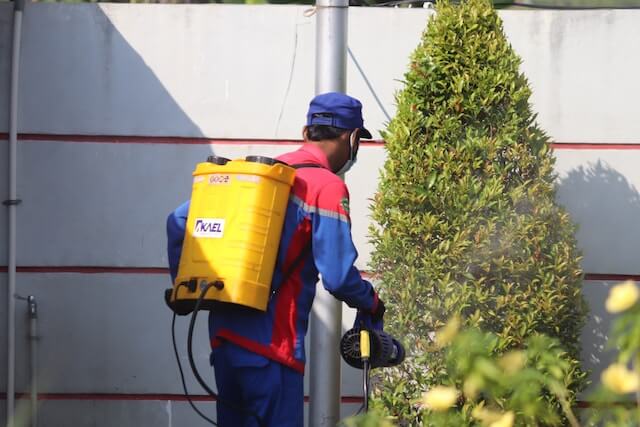
Properties with potential hazards, such as mould, asbestos, or biohazards, will incur additional expenses for specialised cleaning and safety measures.
Hoarding Situations
Deceased estates with hoarding issues can be particularly challenging to clean. Removing clutter and ensuring a safe environment can be time-consuming and costly.
Sentimental Items
Handling and preserving sentimental or valuable items found during cleaning can require specialised expertise, impacting the overall cost.
Typical Costs Breakdown
To provide a more detailed understanding, let’s break down the costs typically associated with deceased estate cleaning services:
Labour Costs
Labour costs are a significant portion of the overall expenses. These costs cover the wages of the cleaning crew and the time they spend cleaning the property. The more extensive the cleaning required, the higher the labour costs.
Cleaning Supplies and Equipment
Cleaning supplies and equipment are essential for any cleaning job. The cost will depend on the type and quantity of supplies needed. Properties with specific cleaning requirements may incur additional expenses for specialised equipment.
Waste Disposal
Disposing of waste generated during the cleaning process is another expense. This includes the removal of items that cannot be salvaged, hazardous materials, and general waste. The disposal method and fees can vary.
Specialised Cleaning Services
In cases involving hazards, hoarding, or unique cleaning requirements, specialised cleaning services may be necessary. These services come at an additional cost but are crucial for ensuring the safety and thorough cleaning of the property.
Sentimental Item Preservation
Preserving sentimental or valuable items found during cleaning may involve hiring appraisers or experts. These costs should be considered if such items are present.

Tips for Managing Deceased Estate Cleaning Costs
While deceased estate cleaning costs can be significant, there are strategies to manage them effectively:
Get Multiple Quotes: Obtain quotes from multiple cleaning services to ensure you receive competitive pricing.
Assess the Property: Conduct a thorough assessment of the property to identify the level of cleaning required and potential hazards.
Plan Ahead: If you are responsible for the estate, plan the cleaning process in advance to avoid rush fees.
Prioritise: Identify valuable or sentimental items early in the process to ensure they are properly handled and preserved.
Regular Maintenance: Consider regular cleaning and maintenance services to prevent extensive cleaning needs in the future.
In conclusion, the costs involved in deceased estate cleaning services can vary significantly based on factors such as property size, condition, cleaning requirements, and the presence of hazards or sentimental items. Understanding these factors and obtaining multiple quotes can help you manage costs effectively while ensuring a thorough and safe cleaning process.
FAQs
What is deceased estate cleaning, and why is it necessary?
Deceased estate cleaning is a specialised service that involves thoroughly cleaning and sanitising a property where a deceased individual lived. It is necessary for several reasons. First, it ensures that the property is safe and habitable for future occupants, as well as complying with legal and health regulations. Second, it provides closure for the family of the deceased, allowing them to move forward without the burden of cleaning a potentially emotionally challenging space.
Are there any potential health hazards associated with deceased estate cleaning?
Yes, there can be health hazards associated with deceased estate cleaning, especially if the property has not been adequately maintained or if there are hazardous materials present. Some common risks include mould, asbestos, biohazards, and the presence of pests. It’s essential to hire experienced professionals who can assess and address these hazards safely.
Can I handle deceased estate cleaning on my own, or should I hire professionals?
While it is technically possible to handle deceased estate cleaning on your own, it is highly recommended to hire professionals for several reasons. Deceased estate cleaning often involves complex tasks such as addressing hazardous materials, handling sentimental items, and dealing with potentially emotional situations. Professionals have the expertise, experience, and specialised equipment to ensure a thorough and safe cleaning process.
Why Choose AllAces?
AllAces Cleaning & Restoration has more than 35 years of industry experience, handling a vast range of house clean out services projects. Our IICRC-certified technicians are trained and experienced in extensive deceased estate cleaning involving high levels of hoarding and hazard remediation. Trust the experts to ensure an effective and efficient clean-up, offering peace of mind during this difficult time.