

Flood damage restoration is different from water damage restoration because floodwater is grossly contaminated. Materials that absorbed it are removed rather than dried, the cut lines go above the water line, and the work has to start fast: Queensland Health advises discarding porous items wet for more than two days.
A burst flexi hose floods a bathroom with drinkable water. Unpleasant, expensive, and most of what got wet can be dried and saved.
Floodwater is a different substance entirely. It has crossed roads, run through yards, past septic systems and stormwater outlets, and it arrives carrying whatever it collected on the way. That single fact drives everything else on this page: why restoration looks so destructive on day one, why the clock is short, and why the insurance answer is not the one most people expect.
If you are inside the first day right now, read what to do in the first 24 hours after water damage first and come back to this. If you want the full crew sequence in order, that is the water damage restoration steps.
Key Takeaways
- Floodwater is grossly contaminated water, not just water in the wrong place. Queensland Government health advice names sewage, agricultural and industrial run-off, and pathogens including leptospirosis and melioidosis.
- Drying is not restoration. Materials that absorbed contaminated water are removed, not dried. Queensland Health advises discarding porous items wet for more than two days.
- Two days is the marker that matters. Past it, mould is established and the job changes from drying to remediation, which is a different scope and a different price.
- Flood has a legal definition in Australian insurance and it is not the same as storm or rainwater run-off. That one distinction decides a great many claims.
- Scale is the hidden problem. After a declared event every restorer in the region is booked. The 2022 east coast floods produced around 197,000 claims. Position in the queue matters more than price.
Why Floodwater Is Its Own Category
Restoration standards classify water by what it has touched, not by how much of it there is. Once a porous material has absorbed grossly contaminated water, cleaning it back to a safe state is usually neither possible nor economic.
That is why professional flood restoration looks destructive at the start. Crews cut plasterboard, lift flooring and pull insulation on day one. It is not damage. It is the only honest way to remove contamination that has soaked into porous material.
| Category | Typical source | What happens to porous materials |
|---|---|---|
| 1. Clean | Supply lines, tap water, rainwater direct from the sky | Usually dried in place and saved, if addressed quickly |
| 2. Grey | Washing machine overflow, dishwasher discharge, shower base | Cleaned and dried, or removed if saturated |
| 3. Black | Floodwater, sewage backflow, river and stormwater inundation | Removed and disposed of |
The line people miss: a category can worsen with time. A grey-water event left sitting over a long weekend is treated very differently by Tuesday.
If what you want is the scale of a loss rather than its contamination level, that is a separate axis, covered in our guide to the severity levels of water damage restoration.
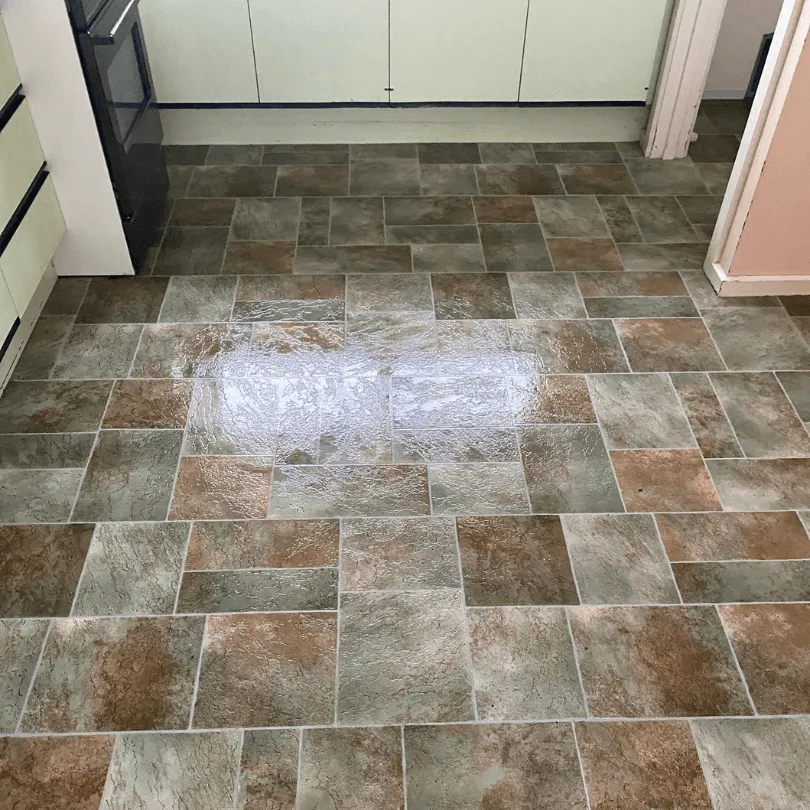
What Has to Go, and What Can Stay
This is the question everyone asks and almost nobody gets a straight answer to. Here is the working version.
| Material | After floodwater |
|---|---|
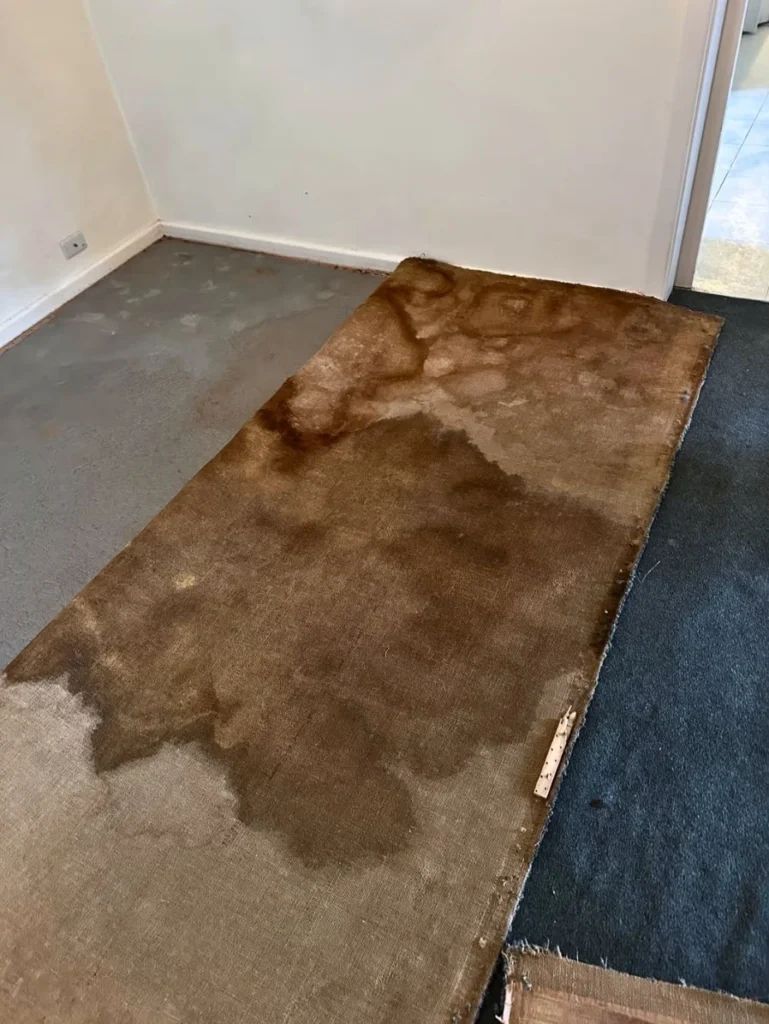
| Carpet and underlay | Remove. Underlay always, carpet almost always |
| Plasterboard | Cut and replace, typically 300 to 600mm above the highest water line |
| Wall insulation batts | Remove, without exception |
| Solid timber flooring | Sometimes salvageable with controlled drying, depending on duration and subfloor |
| Engineered and laminate flooring | Remove |
| Particleboard and MDF cabinetry | Remove |
| Solid timber furniture | Often salvageable after cleaning and drying |
| Mattresses, upholstery, leather goods | Remove. Queensland Health names these explicitly |
| Ceiling insulation | Remove |
| Outlets and appliances below the water line | Inspected and replaced by a licensed electrician |
| Concrete, brick, tile, glass, metal | Clean and sanitise, generally retained |
Two things people argue about, and should not.
Wall cavity insulation. It looks fine. It is a contaminated sponge sitting against a structural frame, and leaving it in is the single most common cause of persistent post-flood odour and mould.
Kitchen kickboards and vanity carcasses. Particleboard wicks water upward well beyond the visible water line. If the kick is wet, the carcass is wet.
The Insurance Trap: Flood Is Not Storm
Since June 2012 Australian home, contents, small business and strata policies have used a legislated standard definition of flood. It covers water escaping a lake, river, creek, natural watercourse, reservoir, canal or dam. Water that fell from the sky and entered your property directly is not flood under that definition.
The Insurance Council of Australia gives the wording as: “The covering of normally dry land by water that has escaped or been released from the normal confines of: any lake, or any river, creek or other natural watercourse, whether or not altered or modified; or any reservoir, canal, or dam.”
This cuts in two directions, which is why it is worth understanding rather than assuming. People with flood cover sometimes discover their damage was actually storm. People without flood cover sometimes discover their damage was actually storm, and they are covered after all. The Treasury consultation that produced the standard definition exists precisely because of the confusion after the 2010-11 events.
The practical advice. Do not classify the event yourself, and do not let anyone else classify it casually either. Document the water’s source and direction of entry with photographs and video before anything is moved. That evidence is what settles the argument later.
For the specific errors that get claims reduced or denied, our guide to water damage insurance claims in Australia goes through five of them.
How a Professional Flood Restoration Runs
Power isolated at the switchboard, structural check, hazard identification. Nobody enters a flood-affected building until the switchboard has been dealt with, and appliances that were inundated stay off until tested by a licensed electrician.
Photographs, video, moisture mapping, and the water line marked on every wall. This is the insurance record and it cannot be recreated later. It is also where the flood-versus-storm question gets settled.
Standing water removed mechanically, with truck-mounted or portable extraction plus pumps where volume requires it. Extraction removes in minutes what dehumidification would take days to pull out of the air.
Contaminated porous materials removed and disposed of under the relevant state waste rules. This is the stage that looks alarming and is actually the thing shortening the job.
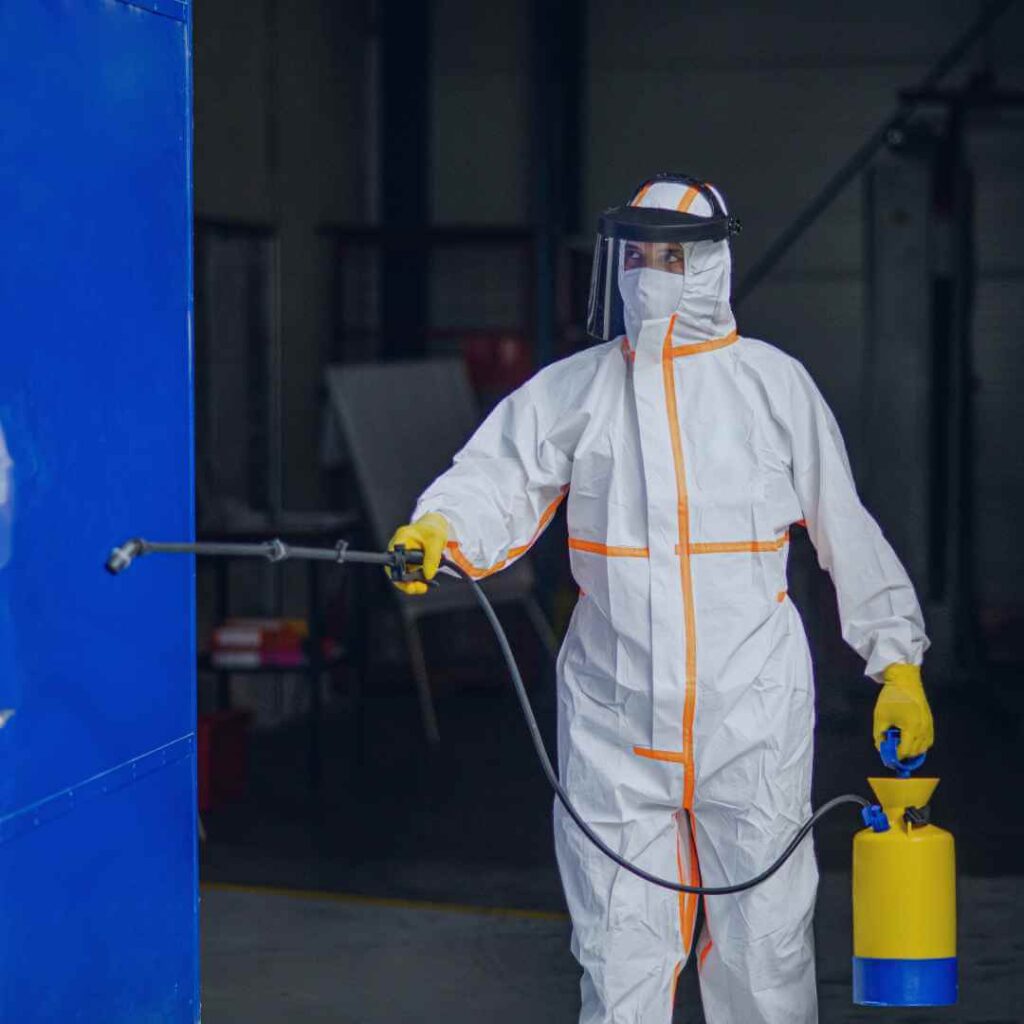
Every remaining surface, including subfloor and frame, with antimicrobial treatment appropriate to the contamination present. Non-porous materials are cleaned rather than replaced.
Air movers, dehumidifiers, and targeted systems for cavities and subfloors where the structure warrants it. Monitored daily against moisture targets, not run for a fixed number of days.
Moisture readings back to the dry standard elsewhere in the building, documented. This is the step that separates a restoration from a clean-up, and the one to insist on.
Plasterboard, insulation, flooring, paint and cabinetry back per the agreed scope. In a widespread event this is usually where the long delays sit, because of trade and material availability rather than anything on site.
Realistic timeframes in Australia: extraction and demolition in the first two to four days, drying over five to ten days depending on materials and humidity, then reinstatement.
Our flood damage restoration services run this sequence with documentation built for insurers. Where the water was clean rather than contaminated, water damage restoration services is the appropriate scope and a considerably smaller job. Where sewage was involved, sewage clean-up services applies additional containment controls.
The Mould Clock, and Why Delay Is the Expensive Choice
Warm, wet, still air with an organic food source. That is a flood-affected Australian home, and it is close to ideal for mould. Queensland Health sets the practical marker at two days for porous items that cannot be easily cleaned.
Queensland Health’s mould guidance after a disaster names mattresses, carpet, leather goods and ceiling insulation specifically, and notes that carpets and rugs submerged longer than 48 hours may need removal.
The cascade after that marker is predictable, and we see it every season.
Weeks one to two: surface mould, odour, cupping in timber floors.
Month one to three: mould inside wall cavities where insulation was left in, indoor air quality complaints, tenant health issues.
Month three onwards: frame rot, corroded fixings, delamination, and a repair bill several times the original one.
Australian conditions accelerate all of it. A Brisbane summer does in a week what a Melbourne winter takes a month to do. In a subtropical zone, treat the two-day marker as a hard deadline rather than a guideline.
Where mould has already established, the work becomes mould removal and remediation rather than drying, with containment, negative pressure and clearance testing.
What to Do While You Wait for a Crew
After a declared event, response times stretch. Every restoration company in the region is at capacity, and the 2022 floods showed how far that can go, with roughly 197,000 claims lodged across Queensland and New South Wales. You can protect your position in the meantime.
Photograph before you move anything
Widest possible coverage, then detail. Include the water line on every wall. This is the single most valuable hour of the whole job.
Do not enter until power is isolated
An electrical hazard is invisible in standing water. Have the structure checked before anyone goes in.
Wear protection
Gloves, boots, eye protection and a P2 mask. Floodwater carries pathogens and cuts get infected quickly.
Get air moving, the right way
Windows and doors open if the outside air is drier. Do not run the air conditioning on recirculation, because you are distributing contamination.
Lift what you can off the floor
Furniture onto blocks, contents onto benches. Every item off a wet floor is an item that might be saved.
Keep a written log
Dates, times, calls and costs. Insurers pay for what you can evidence, and memory is not evidence.
Health and safety guidance per Queensland Government flood health and safety, which also advises discarding food and medication that contacted floodwater or has damaged packaging.
Five Questions to Ask a Flood Restorer
Will you provide documented moisture readings at commencement and completion? If not, there is no evidence the building is dry.
How do you decide what gets removed versus dried? You want a category-based answer, not a shrug.
Are you removing wall insulation? For any Category 3 event the answer should be yes.
Who handles the reinstatement? Some restorers dry and leave. Know which you are hiring before you sign.
What is your position in the queue, honestly? A firm date you can plan around beats an optimistic one every time.
Something worth saying from thirty years of Australian flood events: the households that did well were the ones who documented early and decided quickly. The ones who waited to see whether it dried out on its own paid for it twice.
Frequently Asked Questions
Is flood damage covered by insurance in Australia?
It depends on whether your policy includes flood cover, and on whether the event meets the standard definition of flood, which involves water escaping a watercourse, lake, dam, reservoir or canal. Water entering directly from rainfall is usually treated as storm or rainwater damage under a different part of the policy. Check the product disclosure statement and document the water’s source before anything is moved.
How long does flood damage restoration take?
Extraction and removal of contaminated materials typically takes two to four days. Structural drying generally runs five to ten days, monitored against moisture readings rather than a fixed schedule. Reinstatement adds weeks to months, largely determined by trade and material availability after a widespread event.
What has to be thrown out after a flood?
Carpet and underlay, wall and ceiling insulation, plasterboard below the cut line, particleboard and MDF cabinetry, mattresses, upholstered furniture and leather goods. Queensland Health advises discarding porous items that have been wet for more than two days and cannot be easily cleaned.
Can I clean up flood damage myself?
You can safely handle documentation, contents removal, ventilation and surface cleaning of hard materials, with appropriate protective equipment. Contaminated porous material removal, structural drying and mould remediation need professional equipment and documentation, particularly if you intend to claim. Never enter a flood-affected building before the power has been isolated.
Why Australians Choose AllAces for Flood Damage Restoration
Certified technicians
Moisture and humidity measured against recognised standards, not guesswork.
24/7 emergency response
Floods do not wait for business hours, and neither does the mould clock.
Documented drying
Daily moisture logs and photo records, in the format insurers actually ask for.
30+ years of Australian floods
Including major declared catastrophes across Queensland, New South Wales and Victoria.
Our flood damage restoration team is on call 24/7. For clean-water losses see water damage restoration, and once flooring is fully dry, carpet steam cleaning finishes the job. Meet the technicians who run these jobs on our experts page.
Contact the AllAces team on 1800 00 10 10.
More on water and flooding. This page covers what makes floodwater different. For the immediate checklist, read what to do in the first 24 hours after water damage. For the full crew sequence, see the water damage restoration steps in order.
For how big a loss actually is, see the severity levels of water damage restoration. For the claim itself, five mistakes that get water damage claims denied. To reduce the risk before the next season, the vulnerable spots property managers miss.
Flood damage restoration across Brisbane, Sydney, Melbourne and Ballarat, 24/7. Call 1800 00 10 10.