
“Deceased estate cleaning” covers a lot of ground. For one family it means a weekend clear-out and a bond-style clean. For another it means mould, odour, sharps and a garage nobody has opened in thirty years.
Knowing what’s actually included helps you compare quotes, avoid surprises and decide which parts the family wants to do itself.
Here are the 15 tasks a full deceased estate clean up can include in Australia, grouped in the order they happen, plus what’s standard, what’s specialist and what usually isn’t included at all.
Key takeaways
- A full estate clean up has three stages: assess and sort, clean and remediate, then dispose and hand over.
- Standard inclusions are sorting, removal, general deep cleaning, rubbish disposal and a final presentation clean.
- Specialist add-ons cover odour, mould, biohazards, sharps, pests and carpet restoration, and are quoted separately.
- Not usually included: valuations, legal work, licensed asbestos removal and major building repairs.
- Get a written scope. A good quote lists every task, room and exclusion, so there's nothing to argue about later.
What does a deceased estate clean up include?
A full deceased estate clean up usually includes an assessment, sorting belongings to your instructions, removing furniture and contents, deep cleaning every room, dealing with any odour, mould or hazards, disposing of waste correctly, and leaving the property ready for sale, lease or handover.
The exact scope depends on the home. A tidy unit might need five of the tasks below. A house that’s been closed up for a year, or where someone passed away and wasn’t found for a while, might need all fifteen.
The 15 tasks in a full estate clean up
Stage 1: Assess and sort
1. Initial walk-through and assessment
A technician checks every room for hazards, volume and access, then writes a scope and quote. AllAces inspections start from $120.
2. Agreed instructions
You confirm in writing what's kept, sold, donated, recycled or disposed of, and who approves decisions on site.
3. Sorting belongings
Items are sorted room by room, with documents, photos, cash, jewellery and keepsakes set aside for the family.
4. Furniture and contents removal
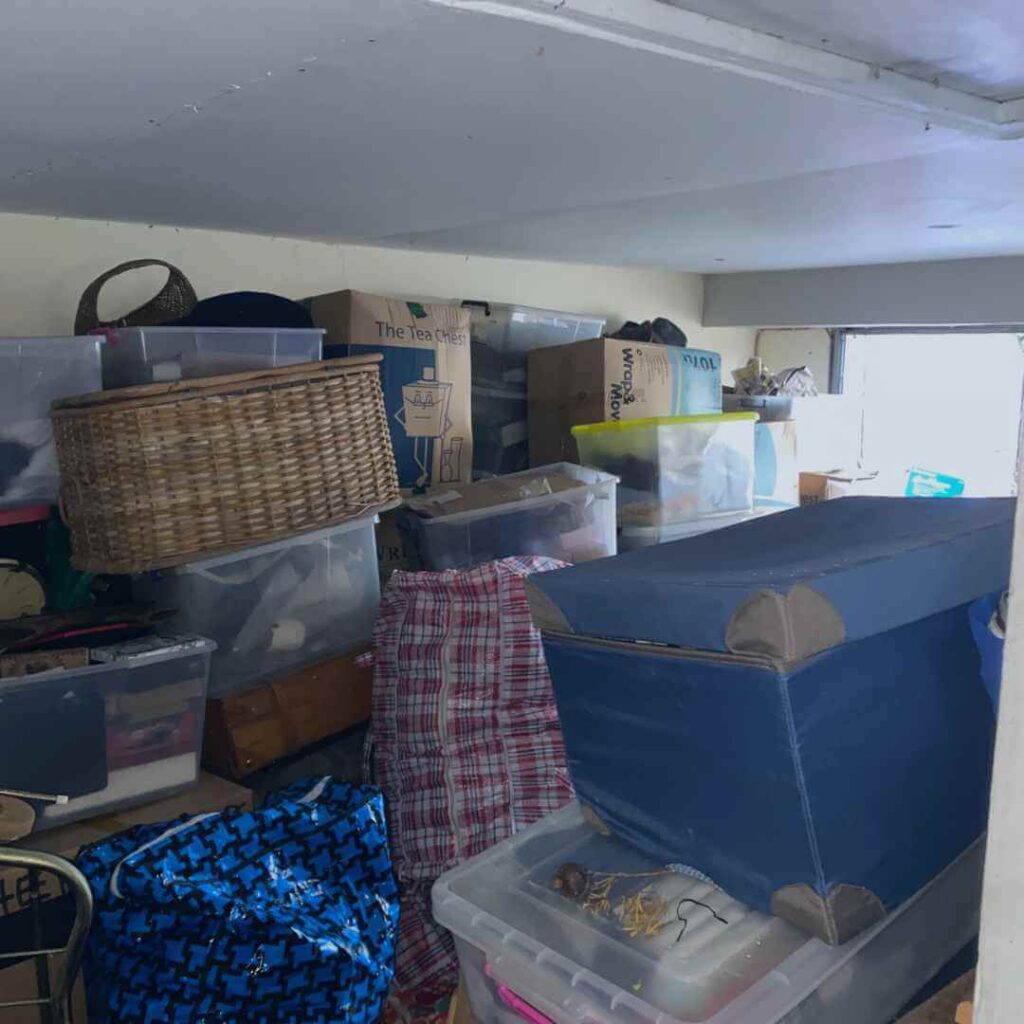
Furniture, appliances, clothing and household goods are carried out and loaded, including from garages, sheds and roof spaces.
Stage 2: Clean and remediate
5. Deep cleaning, room by room
Walls, skirting, doors, light switches, fittings, cupboards inside and out, and floors.
6. Kitchen and bathroom detail
Ovens, rangehoods, grout, showers, toilets and exhaust fans, where grime and mould build up.
7. Windows, tracks and glass
Inside glass, frames, tracks and screens, which collect dust and insects in empty homes.
8. Odour removal and air treatment
Source removal first, then treatment of lingering smells from smoke, pets, damp or decomposition.
9. Carpet and upholstery cleaning
Hot water extraction to lift stains and trapped odour, or advice on replacement where it won't come out.
10. Mould treatment
Removal and treatment of mould on surfaces, with larger outbreaks handed to a remediation team.
11. Pest control
Treatment for rodents, cockroaches and other pests common in homes left empty.

Stage 3: Dispose and hand over
12. Waste sorting and disposal
General waste, recyclables, e-waste, mattresses and green waste go to the right facilities.
13. Hazardous items
Sharps, medicines, chemicals and any biological waste handled and disposed of safely.
14. Outdoor areas
Garages, sheds, gardens, paths and outdoor furniture cleared and tidied.
15. Final presentation clean and handover
A last clean, photos for the executor and keys returned, ready for sale, lease or handover.
Standard vs specialist: what to expect on the quote
A quote that bundles everything into one line is hard to compare. Ask for the tasks, rooms and any specialist work listed separately.
What isn't usually included
Asbestos removal is not part of a cleaning job. If suspected asbestos is damaged or needs removing, it has to be assessed and removed by a licensed asbestos removalist under state rules.
A few other things sit outside a normal estate clean up:
- Valuations of furniture, art, jewellery or collectables. Use a licensed valuer or auction house.
- Legal and estate administration work, which belongs with the solicitor or executor.
- Major repairs, like replacing floors, roofs or kitchens. Cleaners can flag damage, but trades fix it.
- Selling items on the family’s behalf, unless it’s specifically agreed in the scope.
How long does a deceased estate clean up take?
A tidy one or two-bedroom home is often done in one to two days. A larger family home with decades of contents usually takes several days. Mould, odour treatment, hoarding or biohazard work adds time, mostly for treatment and drying.
The biggest variable is sorting. If the family has already taken what it wants, clearing and cleaning move quickly. If every drawer needs checking for documents and valuables, it takes longer, and it should.
For budgeting, our guide to deceased estate cleaning costs explains how each of these tasks affects the price.
Why families and executors choose AllAces
AllAces has more than 35 years in cleaning and restoration and is an IICRC-certified firm. We cover NSW, QLD, VIC and TAS.
All fifteen tasks above can be done by one team. That includes the specialist work, like odour removal, carpet steam cleaning and pest control, so the executor deals with one contact and one invoice.
You’ll get a written scope before we start, and we follow your instructions on every item. See how our deceased estate cleaning service works. If the home has been heavily hoarded, our guide to level 4 hoarding clean-ups explains what changes.
Frequently asked questions
What's the difference between an estate clean-out and a deceased estate clean up?
An estate clean-out usually means removing contents and rubbish. A deceased estate clean up goes further: sorting belongings to the family’s instructions, deep cleaning, dealing with odour, mould or hazards, and leaving the home ready for sale, lease or handover.
What happens to valuables found during a clean up?
They should be set aside and handed to the executor, not disposed of or given away. A professional team checks drawers, pockets, books and containers for cash, jewellery, documents and keepsakes before anything leaves the house.
Do I need to be at the property during the clean up?
No. Many executors live interstate or can’t face being there. A good provider works from written instructions, sends photos and updates, and checks with you before disposing of anything uncertain.
Is asbestos removal included in a deceased estate clean up?
No. Cleaners can identify materials that might contain asbestos and work around them, but damaged asbestos must be assessed and removed by a licensed asbestos removalist.
The bottom line
A deceased estate clean up can be as simple as five tasks or as involved as fifteen. What matters is that the scope is written down, the specialist work is identified early, and nothing valuable leaves the house without the executor’s say-so.
If your family is deciding how much to do itself, read the pros and cons of a DIY deceased estate cleanup. For unwanted medicines, the RUM project takes them free at community pharmacies, and Recycling Near You lists local drop-offs for e-waste and other hard-to-recycle items.
How this guide was put together
Written by Joe Toghian, AllAces’ hoarding and squalor clean-up expert (VIC), with technical input from Marc Christie, IICRC-certified trauma and biohazard cleaning expert (QLD). Meet the AllAces experts.
General information only. Scope, timing and pricing depend on the property. References reviewed September 2026. Next review March 2027.