Steps for Vehicle Fire Damage Restoration
Steps for Fire Damage Restoration and Smoke Damage Cleaning
Summary
Restoring a vehicle after fire damage necessitates a structured process, emphasising safety and comprehensive assessment. First, ensure the vehicle’s safety and assess the extent of the damage. Documentation, through photos or videos, is crucial. Engage professionals for accurate evaluations and restoration guidance. The process includes removing debris, cleaning smoke residue, repairing electrical and mechanical components, restoring the interior and exterior, and conducting thorough inspections. It’s essential to address safety concerns, communicate with insurance, and ensure all systems meet standards. Emphasising smoke damage cleaning’s importance, the article advocates hiring professionals for optimal restoration results.

Restoring a vehicle that has suffered fire damage requires a systematic approach to ensure thorough assessment and effective fire damage restoration. It is important to consider all fire damage restoration steps to ensure safety and the correct cleaning methods. Smoke damage cleaning is also a vital step in fire damage restoration.
Ensure Safety and Assess the Damage
- Prioritize safety by making sure the vehicle is in a safe location and disconnected from any power sources.
- Wait for the vehicle to cool down before inspecting the damage.
- Assess the extent of the fire damage, considering both visible and hidden areas.
Document the Damage
- Take detailed photographs or videos of the entire vehicle, capturing the extent of the fire damage from multiple angles to demonstrate the required smoke damage cleaning and fire damage restoration needs.
- Document the condition of the interior, exterior, engine compartment, wiring, upholstery, and other components.
Consult with Professionals
- Contact a professional fire damage restoration service that specialises in vehicle restoration and smoke damage cleaning.
- Consult with experienced technicians who can provide an accurate assessment and guide you through the fire damage restoration process.
Remove Debris and Clean the Vehicle
- Carefully remove any debris, ash, or soot from the vehicle.
- Thoroughly clean the interior, including seats, carpets, and other surfaces, using appropriate cleaning methods and products to remove smoke residue and odours.
- Smoke damage cleaning is crucial in fire damage restoration.
Inspect and Repair Electrical Systems
- Assess the condition of the vehicle’s electrical systems, including wiring, fuses, and electronic components.
- Repair or replace any damaged or compromised electrical parts to ensure the vehicle’s safety and proper functioning.
Assess and Repair Mechanical Components
- Inspect the engine, transmission, suspension, brakes, and other mechanical components for fire-related damage.
- Repair or replace damaged parts as necessary to restore the vehicle’s functionality.
Evaluate and Restore the Interior
- Assess the fire damage restoration needs of the interior upholstery, dashboard, door panels, and other components.
- Repair or replace damaged interior parts, considering the safety and aesthetics of the vehicle and if the parts could be restored through smoke damage cleaning.
Restore the Exterior
- Evaluate the damage to the vehicle’s exterior, including paint, body panels, windows, and lights.
- Repair or replace any damaged exterior parts to restore the vehicle’s appearance and functionality.

Test and Inspect
- Conduct thorough testing and inspections to ensure that all repaired systems are functioning properly.
- Test the vehicle’s performance, safety features, and electrical systems to verify that they meet the required standards and whether or not further fire damage restoration words are required.
Address Safety Concerns
- Pay particular attention to safety features during a fire damage restoration such as airbags, seat belts, and structural integrity.
- Ensure that all safety systems are in proper working condition before returning the vehicle to service.
Review Insurance Coverage and Claims
- Document all the necessary information, photographs, and receipts to support insurance claims.
- Communicate with your insurance company throughout the process to facilitate the claims process.
Remember, vehicle fire damage restoration is a complex process, and it is highly recommended to seek professional assistance from experienced technicians or specialised vehicle restoration services to ensure a thorough and successful restoration and effective smoke damage cleaning.
The Importance of Smoke Damage Cleaning
Smoke damage cleaning is of utmost importance after a fire incident for several reasons, including:
Health and Safety
Smoke particles and soot can pose significant health risks. They contain toxic chemicals, carcinogens, and irritants that can lead to respiratory issues, allergies, and other health problems. By conducting thorough smoke damage cleaning, you remove these harmful substances, creating a safer and healthier environment for occupants.
Odour Removal
Smoke carries a strong, persistent odour that can permeate surfaces, fabrics, and the air. This odour can linger for an extended period, causing discomfort and affecting the quality of life. Proper smoke damage cleaning helps eliminate this odour, restoring a fresh and pleasant atmosphere.
Preventing Corrosion and Deterioration
Smoke particles contain acidic compounds that can corrode metals, damage electronics, and deteriorate various materials over time. By promptly cleaning smoke residues, you prevent long-term damage to appliances, fixtures, and structural components of the vehicle or property.
Preserving Belongings and Property
Smoke damage can impact personal belongings, furniture, artwork, and other valuable possessions. The longer smoke residues remain on these items, the more difficult it becomes to restore them. Timely and proper smoke damage cleaning helps preserve and salvage belongings, minimising the need for costly replacements and extended fire damage restoration works.
Peace of Mind
The aftermath of a fire incident can be emotionally distressing. Thorough smoke damage cleaning gives peace of mind to property owners, knowing that their environment is clean, safe, and restored. It allows them to move forward, focusing on the recovery process and final fire damage restoration works.
Preventing Secondary Damage
Smoke residues can continue to cause damage if not properly addressed. They can seep into porous materials, and discolour surfaces, and lead to mould or mildew growth. By conducting effective smoke damage cleaning, you minimise the risk of secondary damage and the need for further fire damage restoration services.
Why It’s Best to Hire a Professional for Vehicle Fire Damage Restoration
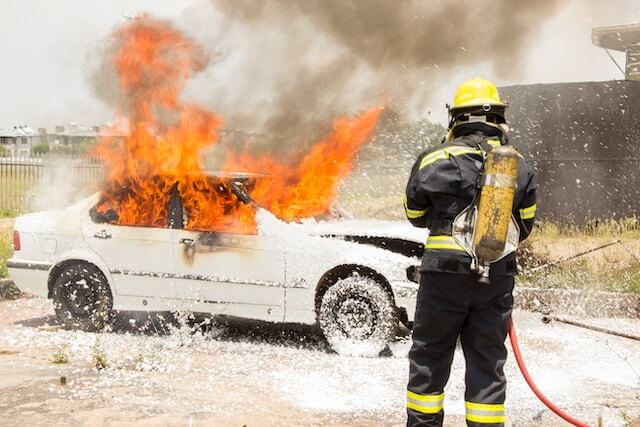
Hiring a professional for vehicle fire damage restoration is crucial because they possess the expertise, experience, and specialised equipment needed to effectively assess and restore the vehicle. They can ensure safety, identify hidden damage, and prevent further deterioration. Professionals follow a systematic approach, effectively providing smoke damage cleaning and timely restoration. Their knowledge or collaboration of vehicle systems and materials ensures a comprehensive restoration, giving you peace of mind and a properly repaired vehicle that meets safety standards.
FAQs
What does fire damage restoration involve?
Fire damage restoration involves assessing and repairing the damage caused by a fire incident. It includes cleaning and removing smoke residue, deodorizing the space, repairing structural damage, and restoring affected areas to their pre-fire condition.
Why is smoke damage cleaning dangerous?
Smoke damage cleaning can be dangerous due to the toxic chemicals and irritants present in smoke particles and soot. Without proper precautions and equipment, exposure to these substances can pose health risks and worsen respiratory conditions.
How long does fire damage restoration take?
The duration of fire damage restoration varies depending on the extent of the damage. It can take anywhere from a few days to several weeks to complete the restoration process, ensuring thorough cleaning, repairs, and recovery.
Why Choose AllAces?
Smoke and fire residues are dangerous, posing significant health risks. Only experienced professionals with recognised certifications and the proper equipment can be trusted to do the job. Do not risk the safety of your family or colleagues by attempting to remediate fire damage by yourself, or by using unqualified service providers. Contact AllAces Cleaning & Restoration and secure viable and permanent solutions to your fire damage problems today.
Contact us today at 1800 00 10 10!
We are here to help