Plenty of families clear a loved one’s home themselves, and many of them are glad they did. Others get three weekends in and realise they’ve barely started.
The difference is rarely effort. It’s knowing what the job involves before you commit to it.
This guide lays out the honest pros and cons of a DIY deceased estate cleanup, a safe way to run one, and the signs that it’s time to bring in help.
Key takeaways
- DIY works best for small, tidy, local properties with no hazards and no fixed settlement date.
- The real costs are time and disposal. Skip bins, tip fees, trailer hire and lost work days add up faster than most people expect.
- Some jobs aren't DIY at any budget: an unattended death, damaged asbestos, heavy mould or a hoarded home.
- Most families end up with a hybrid: they sort the personal items, then hand the bulk removal and final clean to a team.
- Get the executor's written OK first. Nothing valuable should leave the house without it.
Can you clean out a deceased estate yourself?
Yes, in most cases. There’s no law stopping family from clearing and cleaning a deceased person’s home, provided the executor agrees. Whether you should comes down to four things: the size of the job, the hazards in the house, how close you live and how much time you have.
The executor carries the legal responsibility for the property. The NSW Government’s guide for executors warns they can be held responsible for damage to property that hasn’t been secured or insured, so agree the plan with them before anyone starts.
What a DIY estate clean-out actually involves
It’s more than a big tidy-up. Here’s the full job, in the order it usually happens.
What happens: Lock up, redirect mail, clear perishable food, photograph every room before anything moves.
Why it matters: The photos protect the executor and settle arguments later about what was in the house.
What happens: Check pockets, books, freezers, tins and drawers for cash, keys, documents and valuables.
Why it matters: Wills, share certificates and jewellery turn up in odd places, and they can’t be recovered from a skip.
What happens: Keep, sell, donate, recycle, dispose. Use a pause box for anything the family can’t decide on yet.
Why it matters: A simple system stops the job stalling on every item.
What happens: Book a skip or trailer, arrange charity collections, run e-waste and chemicals to the right drop-off points.
Why it matters: Disposal is where DIY budgets and weekends blow out.
What happens: Kitchen, bathrooms, floors, walls, windows, then carpets and outdoor areas.
Why it matters: A property for sale or lease needs to present well, and agents will notice what was missed.
The pros of doing it yourself
Lower upfront cost
You pay for bins, tip fees and supplies rather than labour, which suits small or lightly furnished homes.
Personal involvement
You handle every photo, letter and keepsake yourself. For many people that's part of saying goodbye.
Your own pace
No crew on the clock. You can stop when a room gets too much and come back to it.
Privacy
Only family see the paperwork, the medicine cabinet and the personal effects.
The cons most families underestimate
It takes longer than planned
Decades of belongings rarely clear in a weekend. Every drawer is a decision, and decisions are slow when you're grieving.
Disposal is complicated
Mattresses, e-waste, paint, chemicals and medicines all go to different places, and tip fees stack up.
Injury and exposure risk
Heavy furniture, used sharps, mould and older building materials cause most DIY injuries.
Family tension
Disagreements over who gets what, and who is doing the work, are common and can linger long after the house is sold.

DIY vs professional: side by side
Where to draw the line
Reasonable to do yourself
- Sorting personal papers, photos and keepsakes.
- Packing clothing and kitchenware for donation.
- Light cleaning in a tidy, well-kept home.
- Organising charity pick-ups and small e-waste runs.
Hand it over
- Any home where someone died and wasn't found for some time.
- Cracked or crumbling fibro, old vinyl tiles or other suspected asbestos.
- Mould beyond a small patch, or on carpets and furniture.
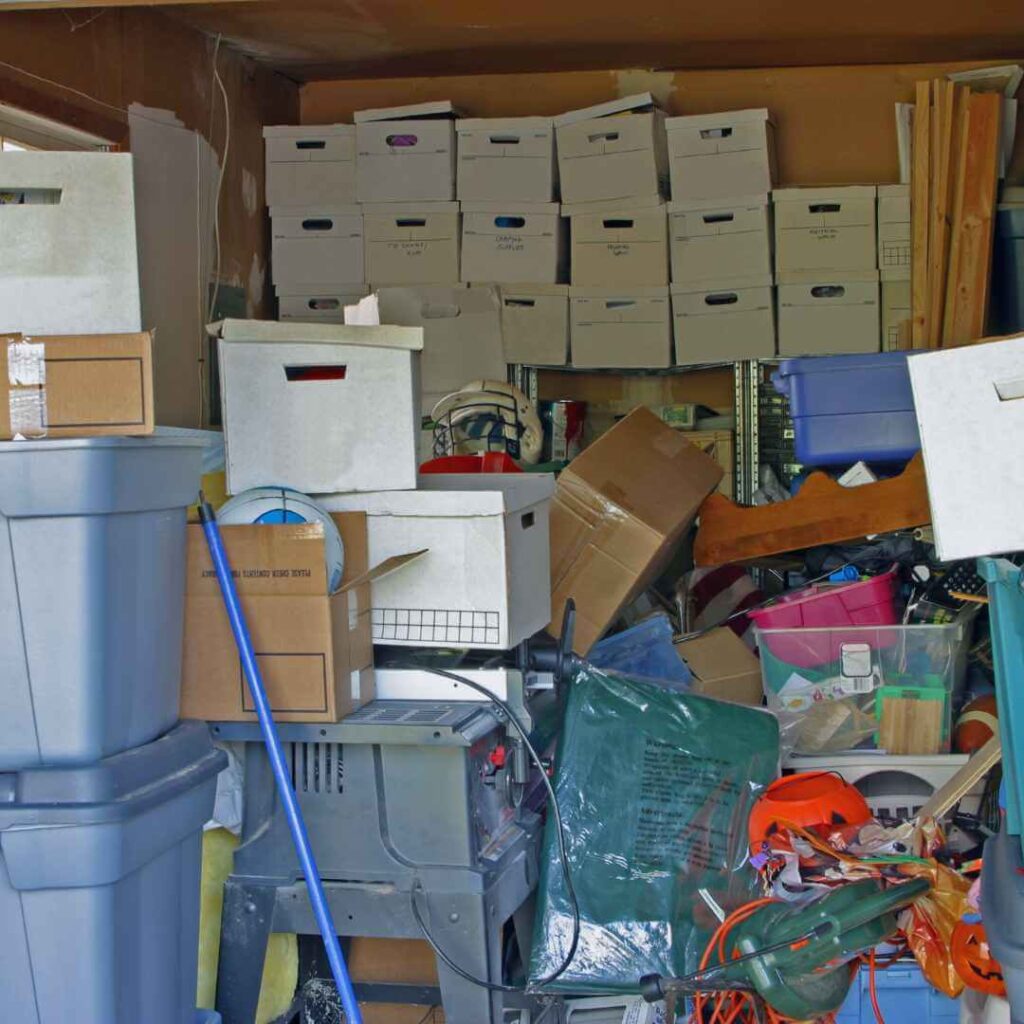
- Rooms you can't walk through safely, or a home that's been hoarded.
If you’re unsure which side of the line a property sits on, our guide to deceased estate cleaning hazards walks through the warning signs.
The hybrid approach most families use
In our experience, the families who cope best don’t pick DIY or professional. They split the job.
Family goes through the house first and takes what matters: photos, documents, heirlooms and anything with a story. Then a team handles the heavy removal, the tip runs and the final clean.
It keeps the personal part personal, and it takes the physical part off people who are already worn out. A rubbish removal crew or a full deceased estate clean up can pick up wherever the family stops.

How to run a safe DIY clean-out
1. Get the executor's approval in writing
Agree what can be removed, who takes what, and how costs will be paid from the estate.
2. Photograph every room first
Date-stamped photos are your baseline record for the executor, insurer and any family questions later.
3. Walk through before you lift anything
Look for mould, sharps, damaged fibro and unsafe floors. If you find any, stop and get advice.
4. Wear the basics
Heavy gloves, closed shoes, a P2 mask in dusty or musty rooms, and a torch for drawers and cupboards.
5. Plan disposal before you start
Use Recycling Near You to find local drop-offs for e-waste, paint, batteries and textiles.
6. Return medicines to a pharmacy
The RUM project takes unwanted medicines free at PBS-approved community pharmacies.
7. Keep every receipt
Bin hire, tip fees and cleaning costs are usually paid from the estate, and the executor will need proof.
Why families choose AllAces for estate clean-outs
AllAces has more than 35 years in cleaning and restoration and is an IICRC-certified firm. Our teams work across NSW, QLD, VIC and TAS.
We’re often called in partway through a DIY job. That’s fine. We work to your written instructions on what stays, what’s donated and what goes, and we can work with an executor who lives interstate.
Because our technicians also handle hoarding clean-ups, mould and biohazards, one team can finish the job even if the house turns out to be harder than it looked. For a sense of budget, see what affects deceased estate cleaning costs.
Frequently asked questions
How long does a DIY deceased estate cleanup take?
It depends on the size of the home and how much is in it. A small, tidy unit might take a weekend. A family home lived in for decades can take several weekends or months, mostly because sorting personal items is slow when you’re grieving.
Do I need permission to clear out a deceased person's house?
You need the executor’s agreement. The executor, or an administrator if there’s no will, is responsible for the estate’s assets. Get their approval in writing before anything is removed, and check with the estate’s solicitor before selling or giving away anything valuable.
Is it cheaper to clean a deceased estate yourself?
Usually, for small and hazard-free homes. Once you add skip bins, tip fees, trailer hire, cleaning supplies and time off work, the gap narrows. For large or cluttered homes, a quoted professional job can be close in cost and much faster.
When should I stop a DIY clean-up and call a professional?
Stop if you find signs of an unattended death, damaged asbestos, widespread mould, large numbers of sharps, or rooms you can’t move through safely. Those need trained people and the right protective equipment.
The bottom line
A DIY deceased estate cleanup is a reasonable choice for a small, safe, local property with time to spare. Go in with a plan, the executor’s approval and a clear point at which you’ll stop.
For everything else, split the job or hand it over. Our deceased estate checklist covers the paperwork and deadlines that sit alongside the clean-out. And if the loss is weighing on you, Griefline offers free support on 1300 845 745.
How this guide was put together
Written by Joe Toghian, AllAces’ hoarding and squalor clean-up expert (VIC), with technical input from Marc Christie, IICRC-certified trauma and biohazard cleaning expert (QLD). Meet the AllAces experts.
General information only, not legal or financial advice. Regulatory references reviewed September 2026. Next review March 2027.