
By the time a decontamination crew is booked, most of the expensive decisions have already been made. Not by them. By you, in the two weeks before they arrive.
This is the owner’s side of the job: what to do, what to leave alone, and the handful of well meaning actions that quietly cost people thousands. It assumes you already have a laboratory result. If you do not, start with the meth testing process instead, because preparing a property before you know what is contaminated is guesswork.
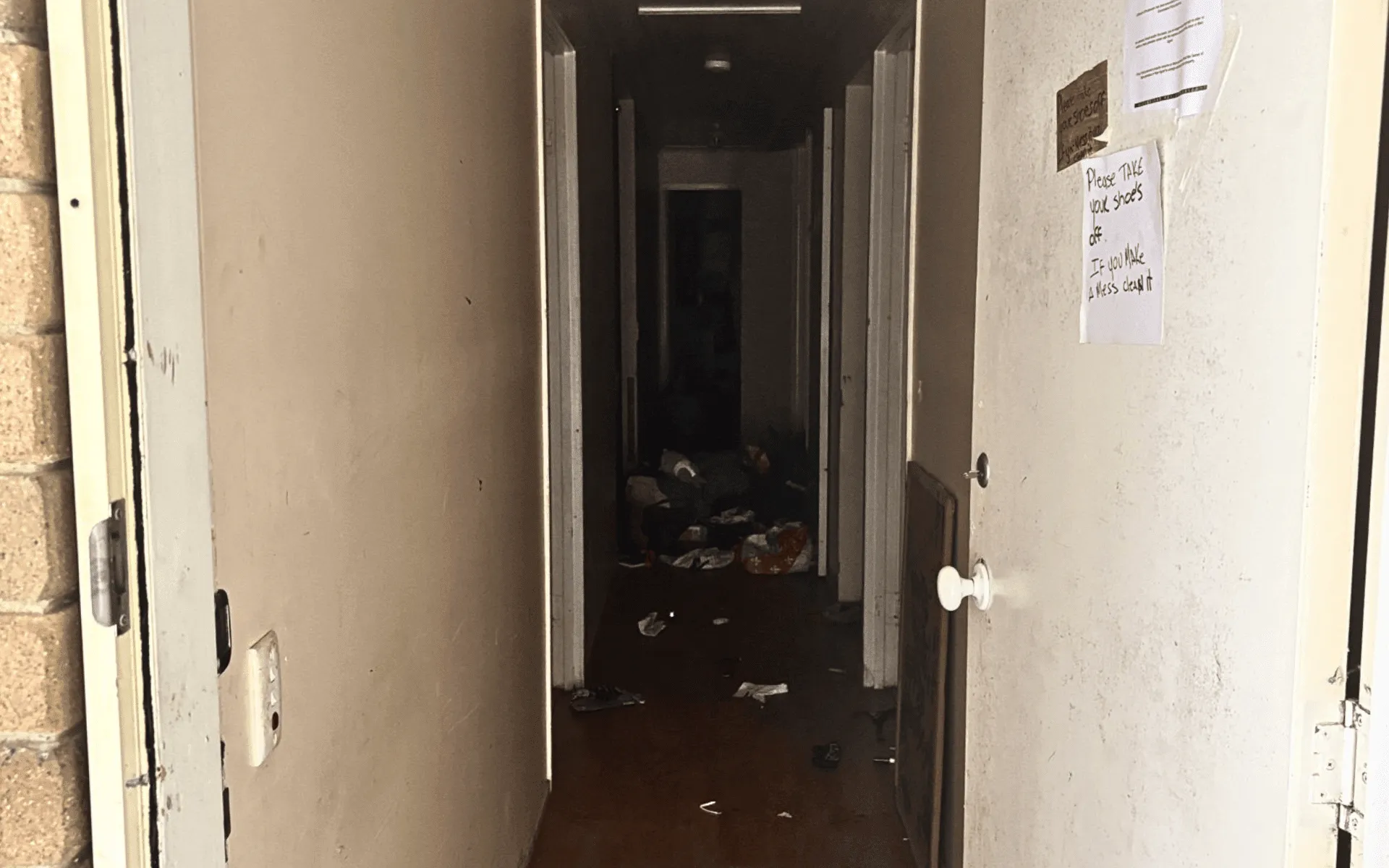
What a crew wants to walk into: emptied where possible, untouched everywhere else.
First rule: do not clean it
Do not wash, scrub, repaint or air freshen a contaminated property before testing and remediation. Cleaning does not remove residue from porous materials, it redistributes it, and it destroys the baseline evidence an insurer or a tribunal would need.
This is counterintuitive and it is the single most common mistake. Someone finds out their rental was used, feels sick about it, and starts scrubbing. It is a completely human response and it makes everything harder.
Three things a pre-clean costs you.
Evidence. Your insurer assesses a claim on a baseline test taken before any intervention. Clean first and you have nothing to lodge.
Accuracy. Washing lowers surface readings without touching what has soaked into gyprock and framing. You get a flattering number and a failed clearance test later.
Spread. A mop moves residue into rooms that were clean.
If the property is occupied and you need something done in the meantime, ventilation is the exception. Opening windows helps and changes nothing about the surface chemistry.
The two week countdown
Most residential jobs run to a similar shape. Knowing where you are in it tells you what you should be doing this week.
| Stage | Who acts | What you should be doing |
|---|---|---|
| Suspicion raised | You | Stop using the property if you can. Do not clean. Write down what you know and when you learned it. |
| Baseline testing | Assessor | Give full access and an honest history. Hold off on telling tenants or buyers until you have a laboratory number. |
| Waiting on the laboratory | Laboratory | Three to five business days. Use them to notify your insurer and start the contents decisions below. |
| Scoping and quoting | Remediator | Insist the quote references your testing report. Compare scopes, not headline prices. |
| Preparation | You | Remove what you are keeping. Arrange access, power, water and parking. Sort out accommodation. |
| Works | Crew | Stay out. Containment only works if it stays sealed. |
| Clearance testing | Independent assessor | Book it separately from the remediator. Another three to five days. |
| Reinstatement | Builder | New linings, paint, flooring. Usually a separate trade and a separate budget. |
The physical works are often the shortest part. It is the two rounds of laboratory turnaround that stretch a three day job into three weeks.
What to take out, and what to leave exactly where it is
Take out before the crew arrives
- Sealed, unopened food and anything in the pantry you intend to keep
- Important documents, in a sealed container, handled with gloves
- Jewellery, hard non porous valuables that can be wiped down
- Pets, and everything belonging to them
- Vehicles parked in the garage, unless the vehicle itself is in scope
- Anything you have already decided to dispose of, if your assessor agrees it can go early
Leave alone
- Soft furnishings, mattresses, curtains and carpet. These are scope items and moving them spreads residue
- Anything in a room flagged as contaminated, unless the assessor has cleared it
- Air conditioning. Do not run ducted systems, they distribute residue building wide
- Wall linings, even if they are stained. Demolition is part of the scope, not preparation
- Rubbish and waste. It may need to leave as regulated waste, not in your kerbside bin
Do not move contaminated items into a clean room for storage. We see this constantly. A garage or a spare bedroom that tested clean becomes the staging area, and by the time the crew arrives it has to be added to the scope.
Contents triage: what usually survives
Contents are frequently a bigger line on the invoice than the cleaning. Knowing roughly what comes back helps you decide what is worth fighting for.
| Item type | Typical outcome | Why |
|---|---|---|
| Hard non porous | Usually saved | Glass, ceramics, sealed metal and hard plastics wipe down and can be clearance tested. |
| Sealed timber furniture | Often saved | Surfaces can be washed. Unsealed or raw timber is a different conversation. |
| Upholstered furniture | Usually disposed | Foam and fabric hold residue and cannot be reliably decontaminated or verified. |
| Mattresses and pillows | Almost always disposed | Deeply porous, and the one thing people sleep on for eight hours a night. |
| Clothing and linen | Often saved | Commercial laundering works for most textiles. Heavily contaminated items and dry clean only pieces are less predictable. |
| Electronics | Case by case | External surfaces wipe down. Anything that has drawn contaminated air through a fan is harder to certify. |
| Soft toys, books, paper | Usually disposed | Porous, impossible to verify, and rarely worth the testing cost. |
Decide sentimentally important items early and ask your assessor about them specifically. Sometimes an individual item can be tested on its own and released. That is a conversation to have before the truck arrives, not while it is being loaded.
Documentation, the part that pays for itself
Photograph everything
Every room, wide and close, before anything moves. Date stamped. This is your contents inventory and your before and after record in one.
Keep every report
Baseline testing, site characterisation, scope of works, clearance certificate. Keep the chain of custody forms attached.
Log the timeline
When you found out, who you told, when each contractor attended. Insurers and tribunals care about sequence.
Notify your insurer early
Before remediation, not after. Late notification is a common ground for reduced settlement.
Itemise disposals
A list of what was disposed of, with values, is worth more at claim time than a photograph of a skip.
Keep the clearance certificate forever
It is the document that ends the conversation at sale, at the next tenancy, and if a future test ever disagrees.
A documented remediation is an asset when you come to sell. An undocumented one is a liability, because you are left describing something you cannot evidence.
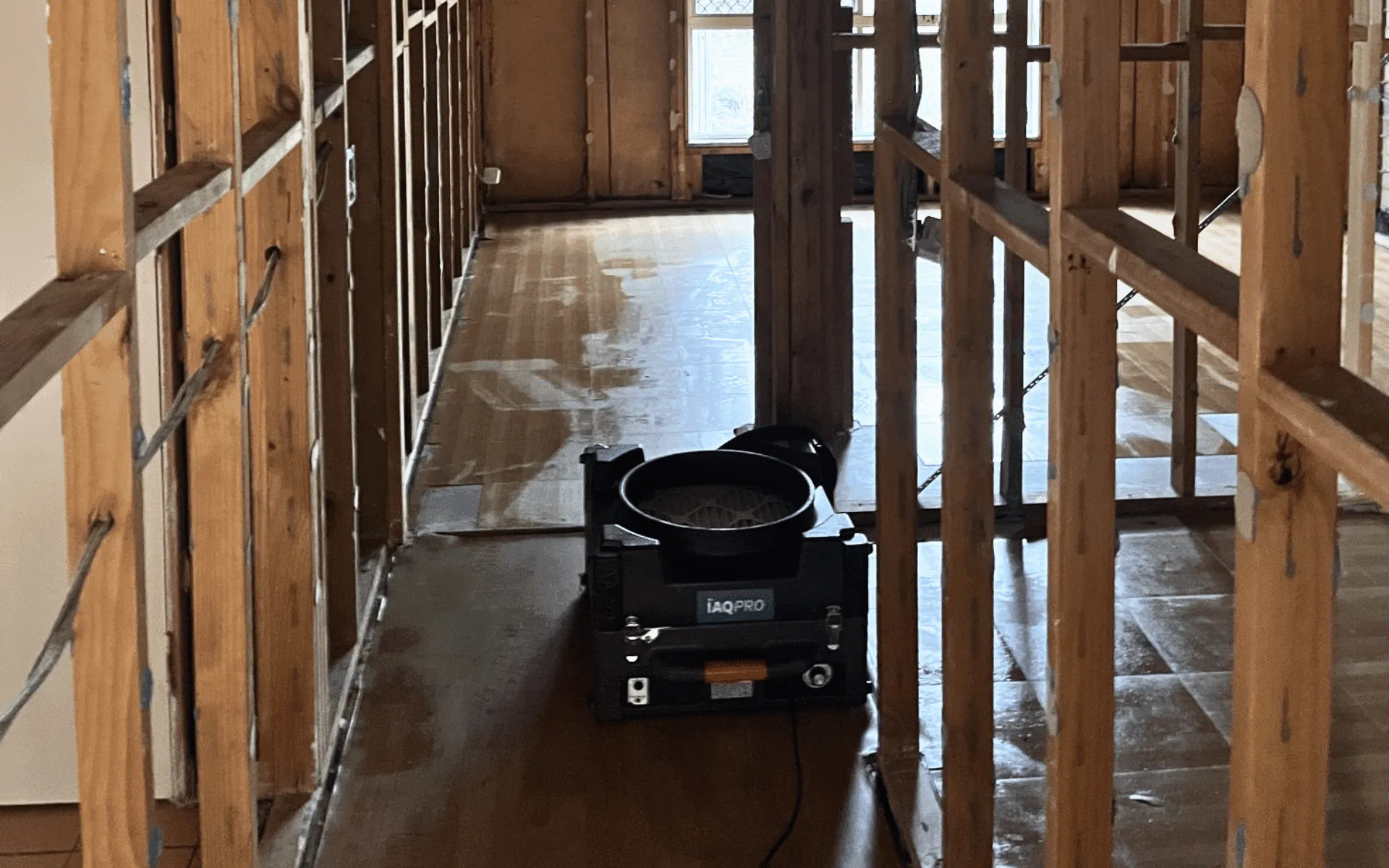
The same room after works and clearance. The certificate matters as much as the result.

On the day
Be reachable, not present
Containment and negative pressure only work sealed. Do the walk through at the start, then leave the crew to it.
Confirm power and water are on
Air scrubbers, extraction and washing all need them. A disconnected property costs you a day.
Sort parking and access
Waste has to leave in a licensed vehicle. On a unit block, book the lift and clear the loading zone in advance.
Tell the neighbours something
You do not owe anyone detail, but people notice hazmat suits. A brief, calm heads up prevents a much worse conversation.
Shut down the air conditioning
Ducted systems move residue between zones. If the ductwork is in scope, it stays off until cleared.
Do not book the painter yet
Reinstatement starts after clearance, not after the crew leaves. A failed clearance with fresh paint on the walls is an expensive way to learn this.
Frequently asked questions
Can I stay in the property during remediation?
No. Containment relies on sealed zones and controlled airflow, and the works themselves generate dust and disturbance. Budget for alternative accommodation for the duration, which is one to three days on a light job and up to several weeks on a clandestine laboratory.
Should I tell my tenant before I have the results?
Wait for the laboratory number if you can. A presumptive kit result is not a finding, and telling a tenant their home is contaminated on the strength of a colour change is very hard to walk back if the laboratory disagrees. Once you have an accredited result, tell them promptly and in writing.
Do I need to empty the whole house first?
No, and you should not try. Remove what you intend to keep from cleared areas, and leave scope items where they are. The crew handles contaminated contents as part of the works, with the disposal documentation your insurer will want.
What happens to items I want to keep from a contaminated room?
Ask the assessor about them individually before works start. Hard non porous items can usually be wiped down and cleared. Porous and sentimental items can sometimes be tested on their own, at a cost, which is a decision worth making deliberately rather than at the skip.
Can I do the preparation myself to save money?
Yes, and this is the part where your own labour genuinely helps. Removing your own belongings from cleared areas, arranging access and sorting accommodation all reduce the hours the crew bills. What you should not do is clean, demolish or move anything out of a contaminated zone.
How soon after clearance can we move back in?
Once the clearance certificate confirms readings below 0.5 micrograms per 100 square centimetres, the property is considered fit for habitation. In practice most people wait for reinstatement, the new linings, paint and flooring, before moving back.
The short version
Do not clean. Do not move contaminated things into clean rooms. Do not run the air conditioning. Take out what you are keeping from areas that tested clear, photograph everything before it moves, and tell your insurer before the works rather than after.
Everything else is logistics: power, water, parking, accommodation, and staying out of the way while the containment does its job.
Getting a property ready for decontamination? AllAces has been doing this work in Australia for more than 35 years across more than 65,000 jobs as an IICRC Certified Firm, with 24/7 response in Brisbane, Sydney, Melbourne and Ballarat. Call 1800 00 10 10, or get in touch here.
Contents outcomes above reflect typical results across AllAces jobs and vary with contamination level and material condition. The 0.5 µg/100cm² figure is the national remediation trigger drawn from enHealth guidance. Last updated September 2026.
This is the owner’s half of the job. What the crew does once they arrive, from containment through to clearance testing, is set out in the meth decontamination process.
Ready to book the work: meth decontamination and testing. Call 1800 00 10 10.

