Almost everyone asks this, and the honest answer is not “no, it is dangerous”. It is more specific than that, and more useful.
You can physically wash a contaminated house. What you cannot do is change what a laboratory finds afterwards, produce a clearance result anyone will accept, or legally dispose of what you pull out. Those three things are what decontamination is actually being bought for, and cleaning is not a cheaper version of them.
So this page is not a pros and cons list. It is what happens, mechanically, when an owner decides to handle it themselves, and the short list of things you genuinely can do without making the situation worse.
What household cleaning does to meth residue
Methamphetamine residue arrives as a vapour and settles into surfaces. On glass or tile it sits on top and comes off readily. On anything porous it has soaked in, and that is where the problem lives: carpet, underlay, curtains, upholstery, unsealed timber, plasterboard, cornices.
Wiping moves it
A wet cloth over a contaminated wall lifts some residue and pushes the rest around, including onto surfaces that were reading clean. The total does not drop much. The distribution changes.
Porous materials keep it
No surface cleaner reaches residue absorbed into underlay or unsealed timber. This is why professional scopes remove those materials rather than treating them. There is nothing to wash.
Air conditioning spreads it
Running the system while you clean pulls disturbed particulate into ductwork and pushes it into rooms that were unaffected. Ducts are already the most common clearance failure point without help.
Paint hides nothing
Sealing coatings exist and are used professionally, under specific conditions, after treatment, and they are documented. Ordinary paint over a contaminated wall changes what you can see and nothing a swab measures.
The bit that costs people money: cleaning before testing. It suppresses a surface reading without removing the contamination underneath, which means the sampling plan gets built off a number that is too low, and the scope comes out too narrow. Then the clearance fails and the job runs twice.
The three things DIY cannot produce
A defensible number
Presumptive field kits detect presence, not concentration. A kit result cannot be compared against the 0.5 µg/100cm² guideline at all, whatever the box says. What a laboratory reading actually means, and why two of them can disagree, is covered in meth testing levels explained.
A clearance anyone accepts
Clearance is a fresh round of accredited sampling after the work, ideally arranged independently of whoever did the cleaning. There is no version of this you can do yourself. Without it, an insurer, a purchaser’s solicitor or a tribunal has nothing to look at, and a property with no paperwork is treated as a property with a problem.
Lawful disposal
Contaminated porous material is regulated waste. It does not go in a skip, a household bin or a trailer to the tip. Approved facilities charge by weight or volume and issue dockets, and those dockets are part of the file that proves the property was dealt with properly.
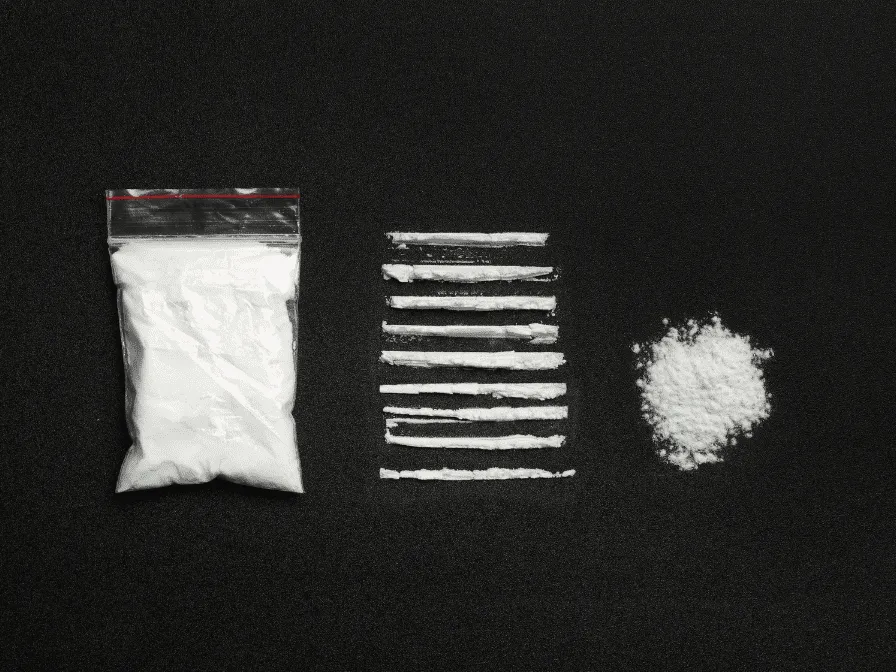
The cleaning is the easy part to imagine. The measurement and the paperwork are what the job is actually for.
What you can legitimately do yourself
This list is shorter than owners hope and longer than most contractors admit.
Reasonable
- Buy a screening kit to decide whether to spend money on a laboratory test. As a yes or no, it is useful.
- Remove and keep hard, non-porous personal items before work starts, on advice about where to put them.
- Photograph everything before anyone touches anything. This is what supports an insurance claim or a bond dispute.
- Handle restoration afterwards. Repainting, re-carpeting and reinstating cabinetry once clearance has passed is ordinary work you can contract yourself.
- Do your own vetting. Reading a scope, checking a laboratory, comparing quotes properly. That is where owner effort actually pays.
Not reasonable
- Cleaning before the property has been sampled. The single most expensive thing on this page.
- Stripping out carpet or lining yourself. Disposal is the problem, not the labour.
- Treating a positive reading with retail product and re-testing to see if it worked. It moves residue rather than removing it, and you have paid for two laboratory tests to learn that.
- Cleaning a property anyone is still living in. Disturbing settled residue with occupants in place is the worst version of this.
- Doing anything at all before police have released a scene, if they have attended.
The case where DIY is genuinely defensible
There is one, and it is worth naming rather than pretending otherwise.
A laboratory result below 0.5, and a property you are keeping
If accredited sampling has come back under the national threshold, no remediation is indicated. You are then doing ordinary cleaning on an ordinary house, and there is no reason to pay a decontamination contractor for that.
Keep the report. It is your evidence at the next sale, at the end of the next tenancy, and if a future test ever disagrees with it.
Outside that, the arithmetic rarely works. A light targeted remediation runs roughly $1,500 to $5,000. A failed DIY attempt costs you the cleaning products, two laboratory tests, a suppressed baseline that widens the eventual scope, and the weeks in between. The saving tends to evaporate on the second test.
If price is what is pushing you toward doing it yourself, the productive move is comparing scopes rather than skipping the work: how to compare meth removal quotes covers where the real money sits.
What it costs you if it goes wrong
| What happened | The consequence |
|---|---|
| Cleaned before testing | Baseline reads low, sampling plan misses the hot areas, scope is drawn too narrow, clearance fails and the job runs twice. |
| Painted over staining | No effect on the reading. On a sale, the combination of fresh paint and a positive result reads badly to a buyer. |
| Disposed of material yourself | Regulated waste offence exposure, and no dockets for the file. |
| No clearance testing | Nothing to give an insurer, a buyer or a tribunal. Commercially the property is still contaminated. |
| Claimed on insurance afterwards | Most policies require prompt notification and documented evidence. Work done first, notified later, is where claims get declined. |
| Re-let the property | If a tenant tests and gets a positive, you are dealing with a tenancy dispute and a disclosure question at the same time. |
None of that is an argument that meth residue will necessarily hurt you. The evidence on health risk from use-only contamination is genuinely unsettled. The evidence on what an undocumented property does to a sale, a claim or a tenancy is not unsettled at all.
Frequently asked questions
Can I clean meth residue myself?
You can wash surfaces, but you cannot produce the two things the job exists for: a defensible laboratory reading and a clearance result. Household cleaning also fails to reach residue absorbed into porous materials such as underlay, unsealed timber and plasterboard, which is why professional scopes remove those rather than treat them.
Does bleach remove meth residue?
No. Bleach is a disinfectant, which addresses biological contamination rather than chemical residue. It has no meaningful effect on methamphetamine absorbed into a surface, and using it before sampling can move residue around and distort the reading your scope will be built from.
Will painting over the walls fix it?
No. Sealing coatings are used professionally in specific circumstances, after treatment and with the decision documented, where replacement is not proportionate. Ordinary paint changes what you can see and nothing a swab measures, and fresh paint over a positive result is a poor look during a sale.
My reading is just under 0.5. Should I still get it professionally cleaned?
Generally no. Below the national threshold, remediation is not indicated, and normal cleaning is normal cleaning. Keep the accredited report, because it is your evidence at sale, at the end of a tenancy, and if a later test ever disagrees.
Can I remove the carpet myself to save money?
The labour is not the obstacle, disposal is. Contaminated porous material is regulated waste, has to go to an approved facility, and generates dockets that belong in your file. Pulling it out yourself also disturbs settled residue and moves it into areas that were reading clean.
What if I already cleaned before testing?
Say so when you book the sampling. An assessor who knows the property has been washed will plan differently, weighting high deposition surfaces and areas less likely to have been touched. Hiding it produces a reading that looks reassuring and a scope that does not work.
The short version
Cleaning is not a cheap version of decontamination. It is a different activity that happens to look similar, and doing it first is the most reliable way to make the real job cost more.
Test before you touch anything. If the result is under 0.5, clean it yourself and keep the report. If it is over, what you are buying is a scope, a laboratory and a clearance, and none of those are things you can do on a Saturday.
Not sure whether your reading needs a contractor at all? AllAces does testing, remediation and clearance reporting across Brisbane, Sydney, Melbourne and Ballarat. Call 1800 00 10 10, or get in touch here.
General information about remediation practice in Australia, not legal advice. The 0.5 µg/100cm² figure is the national remediation trigger drawn from enHealth guidance. Last updated September 2026.
Decided to hire someone? The page above this one is where to start: what certified meth decontamination actually means covers accreditation, what a clearance certificate is worth, and why the tester and the cleaner should ideally be different companies.
Then how to compare meth removal quotes for reading the scope of works you get back.
Or skip to testing with clearance reporting included: meth decontamination and testing. Call 1800 00 10 10.