

Buyers can tell when a house has been sitting empty. They can smell it, and they price it in.
A deceased estate that’s been properly cleared and cleaned sells as a home. One that hasn’t sells as a project, usually to someone looking for a discount.
This guide covers how to prepare a deceased estate for sale in Australia, in the order it usually happens, what’s worth spending money on, and the disclosure rules executors should check before listing.
Key takeaways
- The order matters: executor authority, clear, clean, fix what's broken, then present.
- Odour is the biggest price killer. Buyers forgive dated kitchens far more readily than a smell they can't identify.
- Clean and repair, don't renovate. Deep cleaning, carpet care and small fixes usually return more than a new kitchen.
- Check disclosure rules. NSW agents must disclose certain material facts, and Queensland sellers now give buyers a disclosure statement before contracts are signed.
- Plan backwards from the CGT window. The ATO's two-year main residence rule runs from the date of death.
How do you prepare a deceased estate for sale?
Confirm the executor has authority to sell, clear the contents, deep clean the house, deal with odour, mould and small repairs, then style and photograph it. Most estates take several weeks from first clear-out to listing, longer if there’s mould, hoarding or a lot of contents.
Every one of those steps is easier when the one before it is done properly. Cleaning a half-cleared house wastes money. Styling a house that still smells is pointless.
The six stages, step by step
What happens: The executor confirms they can sell, usually once probate or letters of administration are granted, and agrees a target listing date.
Why it matters: Agents, stylists and cleaners all need a date to work back from.
What happens: Family removes what they’re keeping, then the rest is sold, donated, recycled or disposed of.
Why it matters: Buyers need to see the rooms. Contents also hide damage you’ll need to fix.
What happens: Kitchen, bathrooms, walls, skirting, windows, tracks, light fittings and floors, top to bottom.
Why it matters: A thorough clean changes how buyers read the whole house.
What happens: Odour treatment, mould removal, carpet steam cleaning, pest treatment and any biohazard work.
Why it matters: These are the issues that surface in building and pest reports and drive price negotiations.
What happens: Fix what’s broken, patch and paint where needed, tidy the garden.
Why it matters: Small fixes remove easy reasons for buyers to discount.
What happens: Styling, photos, and the disclosure documents your state requires.
Why it matters: First impressions are made online, and missing paperwork can delay or derail a sale.
What buyers notice first
These are the things that come up again and again when agents walk us through estate properties before a sale.
Smell
Stale air, cigarette smoke, pets or damp. It's the first thing buyers notice and the hardest to explain away.
Carpets and soft floors
Stains, wear paths and trapped odour make a house feel older than it is.
Kitchens and bathrooms
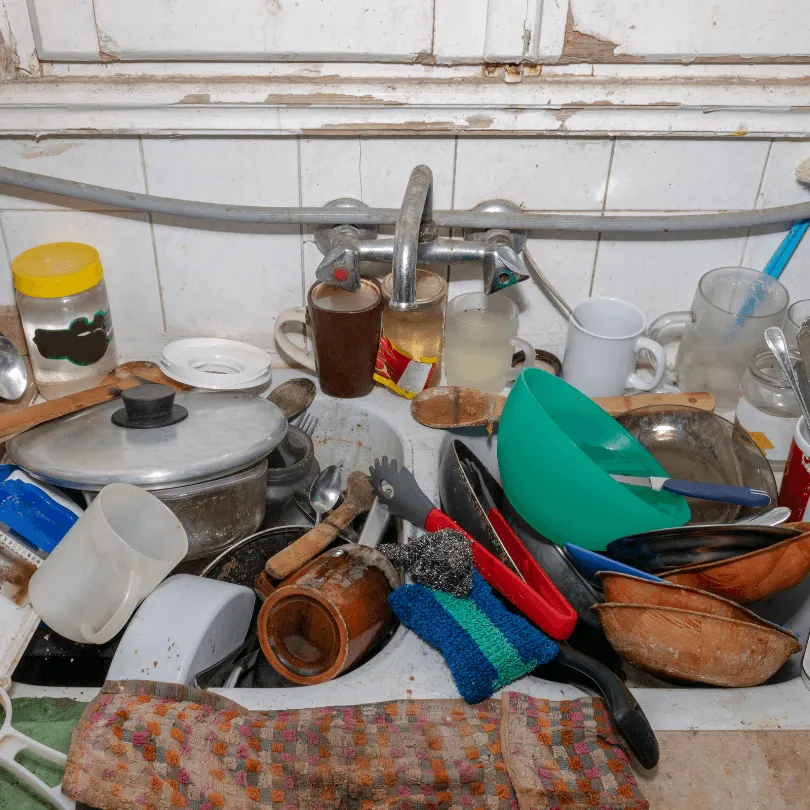
Grease, mould in grout and limescale suggest hidden problems, even when there aren't any.
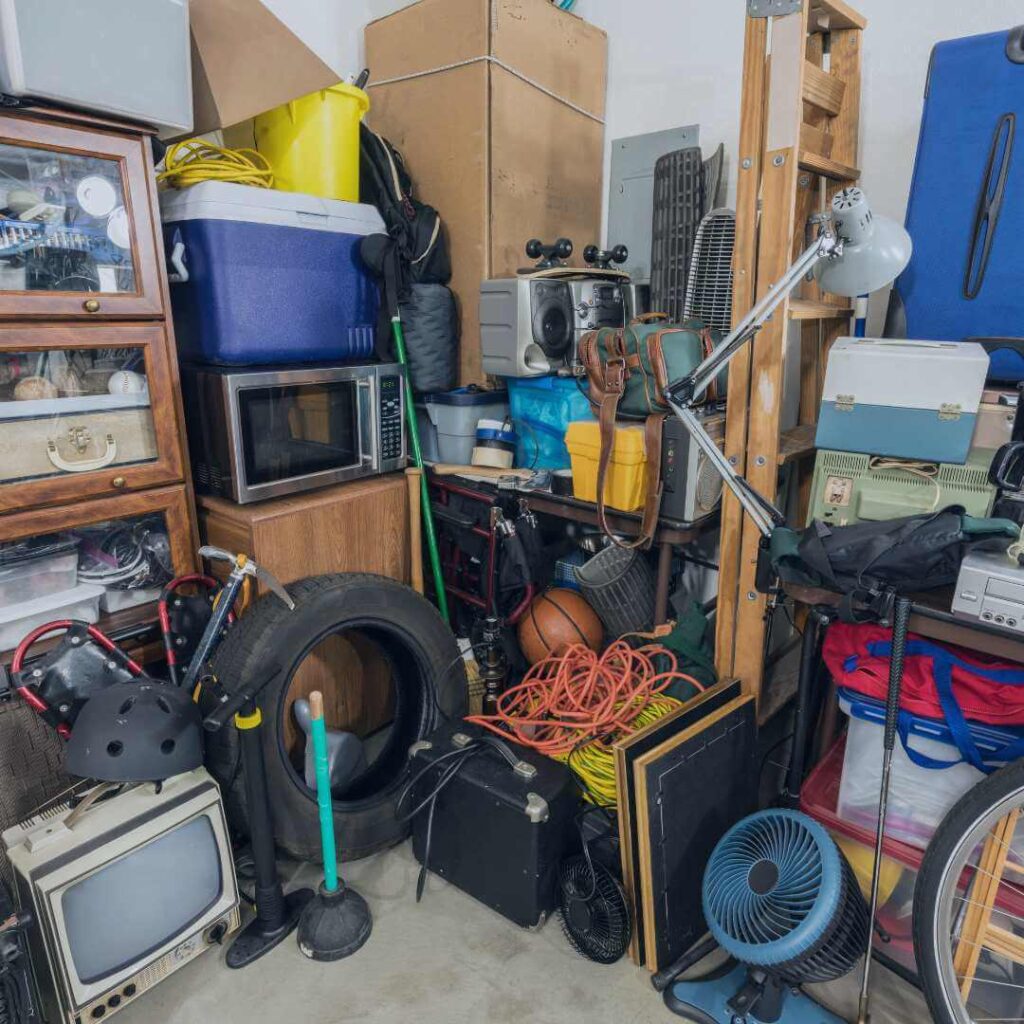
Leftover contents
A half-cleared house looks neglected and makes rooms feel smaller.
Mould
Black spots on ceilings or behind wardrobes send buyers straight to a building inspector.
Garden and entry
Overgrown paths and a cluttered porch set the tone before anyone gets inside.
Clean, repair or renovate?
For most deceased estates, clean and repair rather than renovate. Buyers of older homes often plan their own renovation and won’t pay much extra for yours.
A professional odour removal treatment and carpet steam cleaning often do more for the sale price than a cosmetic renovation. If mould is present, have mould remediation done before building and pest inspections.
What must be disclosed when selling a deceased estate?
It depends on the state. The fact that the owner has died doesn’t usually need disclosing on its own, but some states have specific rules, so check with your agent and conveyancer before the property is listed.
In NSW, agents must not fail to disclose prescribed material facts. According to NSW Fair Trading’s guidance for agents, these include whether, within the last five years, the property was the scene of a murder or manslaughter.
In Queensland, the seller disclosure scheme started on 1 August 2025. Sellers must give buyers a disclosure statement and prescribed certificates before a contract is signed.
Rules differ in every state and change over time. Treat this as a starting point only and get advice from the estate’s solicitor or conveyancer about your property.
Plan the sale around the CGT deadline
The ATO’s inherited property rules allow a full capital gains tax exemption on a deceased person’s main residence if the contract settles within two years of the death, when the other conditions are met.
Work backwards. Allow time for probate, clearing and cleaning, any remediation, marketing and settlement. If the house has mould, hoarding or odour problems, add more time than you think.
Why agents and executors use AllAces before a sale
AllAces has more than 35 years in cleaning and restoration and is an IICRC-certified firm. We work with executors, solicitors, property managers and real estate agents across NSW, QLD, VIC and TAS.
The advantage is one team for the whole pre-sale job. We clear, clean, remove odours, treat mould and steam clean carpets, so the executor isn’t coordinating four contractors from another state.
We work to a written scope with photos, so agents know exactly when the house will be ready to style and list. Find out more about our deceased estate cleaning and clear-out service, or see what’s included in a deceased estate clean up. For heavily cluttered homes, our hoarding clean-up team takes over first.
Frequently asked questions
Should you clean a deceased estate before selling?
Yes, in almost every case. A cleared, deep-cleaned and odour-free house photographs better, inspects better and gives buyers fewer reasons to negotiate. The cost of a professional clean is usually small compared with the discount buyers apply to a neglected-looking home.
Can you sell a deceased estate house with the contents still inside?
It’s possible, but it usually costs the estate. Contents hide the condition of the house and make rooms look smaller. Some estates sell furniture separately or leave a few pieces for styling, but a full clear-out generally produces a better result.
How long does it take to get a deceased estate ready to sell?
For a tidy home, a few weeks from clear-out to listing is common. Mould, strong odours, hoarding or major repairs can add several weeks. Start early if you’re working to the ATO’s two-year settlement window.
Do you have to disclose that someone died in the house?
Not in every case. In NSW, agents must disclose if the property was the scene of a murder or manslaughter in the last five years, among other material facts. Queensland now requires a seller disclosure statement. Ask your agent and conveyancer what applies to your property.
The bottom line
Preparing a deceased estate for sale is mostly about removing reasons for buyers to discount. Clear it, clean it thoroughly, fix the smell, deal with any mould and handle small repairs.
Leave the big renovations to the next owner. If the house has sat empty for a while, read our guide to leaving a deceased estate house empty, and if the family is doing some of the work themselves, weigh up a DIY cleanup first.
How this guide was put together
Written by Joe Toghian, AllAces’ hoarding and squalor clean-up expert (VIC), with technical input from Nick Roth, Decon Systems-trained mould remediation expert (NSW). Meet the AllAces experts.
General information only, not legal, tax or real estate advice. Disclosure rules vary by state. References reviewed September 2026. Next review March 2027.