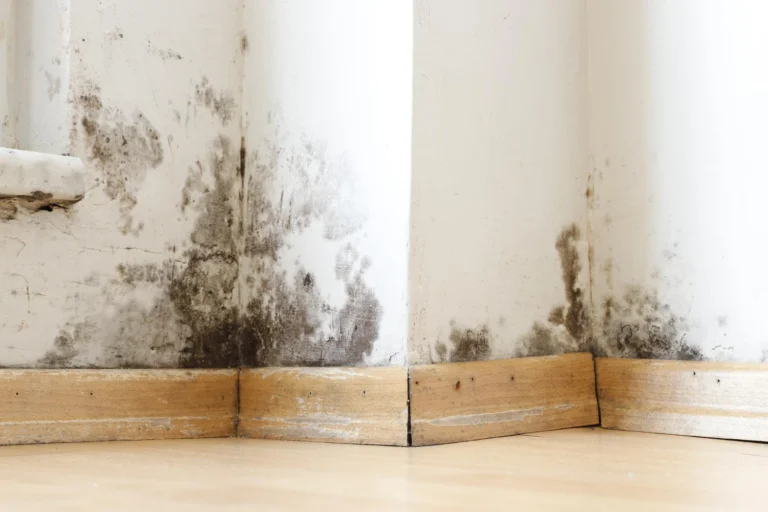
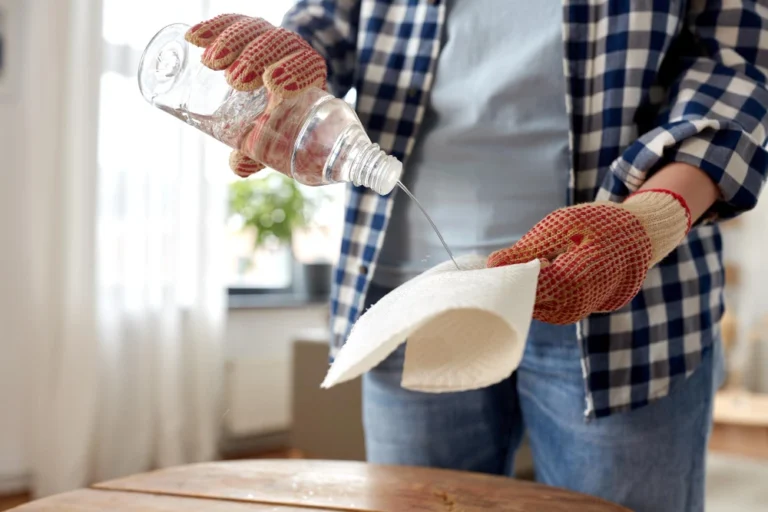
Mould is a stubborn problem for many households and businesses. When it appears, people often reach for natural solutions like vinegar, tea tree oil, or baking soda. These “green cleaning” remedies are widely recommended online as safe, cost-effective, and environmentally friendly options. But do they really work? And are they a substitute for professional mould removal?
In this blog, we’ll explore the most common natural mould remedies, separate fact from fiction, and explain why professional mould removal is the only reliable way to protect your home and health.
People choose natural remedies for mould for several reasons:
They’re affordable and already in the home.
They’re seen as safe alternatives to chemicals.
They promise an easy fix without professional help.
The problem is that these solutions usually only clean what you can see. Mould is a living organism that grows beneath surfaces and spreads through spores. That’s why professional mould removal goes much deeper than household cleaning products.
Vinegar is the most popular home remedy for mould. It is mildly acidic and can kill some mould species on hard, non-porous surfaces like tiles and glass. But its effectiveness is limited.
It does not reach mould inside porous materials like wood or plasterboard.
It cannot remove airborne mould spores.
It often results in regrowth within weeks.
This makes vinegar a temporary solution at best. By comparison, professional mould removal addresses visible mould, hidden colonies, and spores in the air, ensuring long-term protection.
Baking soda is another popular recommendation. It can absorb odours and clean stains but does little to kill mould.
It only works on the surface of materials.
It may reduce odours but doesn’t eliminate spores.
Mixing it with water can actually add moisture to an already mould-prone environment.
For serious infestations, baking soda falls short. Professional mould removal uses specialised cleaning agents, air filtration, and moisture control tools to prevent mould from coming back.
Tea tree oil is praised as a natural antifungal and does have some mould-killing properties. But there are clear drawbacks:
It’s expensive compared to other treatments.
It must be applied correctly to work, and even then, it only treats surface mould.
Misuse can cause irritation for people sensitive to strong oils.
While tea tree oil may help in very small areas, it’s no replacement for professional mould removal, which treats mould at the root level.
Some believe opening windows and letting in sunlight is enough to deal with mould. While ventilation and UV rays can slow mould growth, they don’t eradicate it.
Humid outdoor air can worsen the problem in tropical climates.
Sunlight doesn’t penetrate walls or floors where mould thrives.
Spores remain active and continue spreading.
Only professional mould removal can guarantee that mould is not just slowed but completely removed.
The real danger in relying on natural remedies is that mould is left untreated. Continued exposure can cause:
Asthma flare-ups and chronic coughing.
Sinus infections and respiratory irritation.
Headaches, fatigue, and allergic reactions.
Long-term health complications from spores in the air.
Delaying professional mould removal risks both your health and the structure of your property.
professional mould removal is a structured process designed for safety and effectiveness...
Unlike DIY methods, professional mould removal is a structured process designed for safety and effectiveness:
Assessment and moisture testing to identify mould sources.
Containment and air filtration to prevent spore spread.
Surface and deep cleaning using industry-grade treatments.
Drying and dehumidification with commercial equipment.
Restoration and prevention to ensure mould doesn’t return.
This process doesn’t just clean mould—it removes it permanently.
Natural solutions aren’t completely useless. They may be appropriate when:
The mould patch is very small (less than 1m²).
The surface is non-porous, like tiles or glass.
They’re used as a temporary measure while waiting for professional mould removal.
For anything more significant, professional intervention is always recommended.
Vinegar, baking soda, and tea tree oil are often promoted as natural cures for mould. While they may help clean visible patches, they cannot stop mould from spreading through walls, ceilings, or the air. These myths often give homeowners false confidence while mould quietly grows unchecked.
If you want real peace of mind, the solution is clear: invest in professional mould removal. It’s the only method that addresses the root cause, protects your property, and safeguards your health in the long term.
Does your property need professional mould removal? Trust the expert with AllAces Cleaning & Restoration today!
AllAces Cleaning & Restoration Expert
Aaron is a seasoned professional with over 16 years of experience in the restoration industry. Specialising in large-scale restoration projects and water damage restoration, Aaron has built a reputation for delivering exceptional results in challenging situations.