
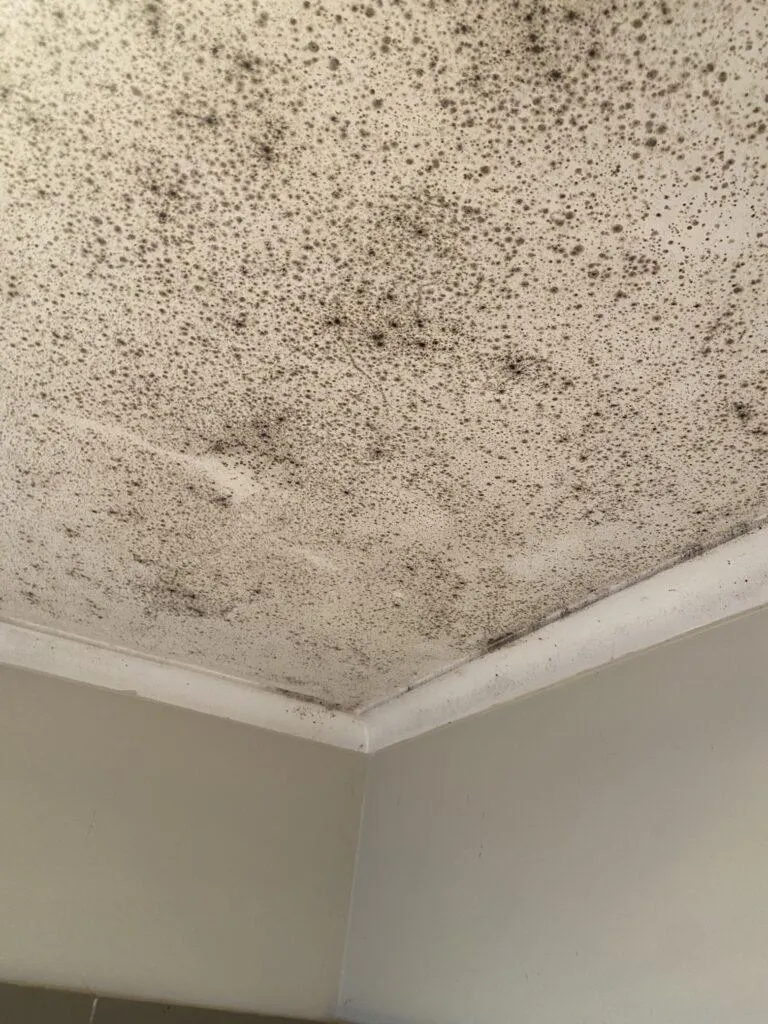
Curious about black mould in rental properties in QLD? Finding black mould in your rental property is stressful. For tenants, there is the immediate fear for your health and your bond. For landlords and property managers, there is the fear of liability and expensive structural damage associated with mould in rental properties QLD.
In Queensland, the rules changed significantly with the introduction of the Minimum Housing Standards (fully effective for all tenancies as of September 2024). The old days of “just spray some bleach on it” are over.
If you are currently staring at a patch of black mould and arguing over who pays the bill, here is the definitive breakdown of responsibility under current QLD law. If you want more tips, check out the AllAces comprehensive mould guide for 2026.
Black Mould in Rental Properties QLD: Structural vs. Lifestyle
Under the Residential Tenancies and Rooming Accommodation Act 2008, the responsibility depends on the source of the moisture. Mould needs moisture to grow. Ideally, an independent inspection determines whether that moisture is coming from the building or the living habits of the tenant. In the former, it is the landlord’s problem, while the latter should be the fault of the tenant.
Understanding the implications of mould in rental properties QLD is essential for both tenants and landlords.
When is the Landlord Responsible?
Under the new Minimum Housing Standards, a rental property must be “free of damp and mould” when the tenant moves in, and generally kept that way unless the tenant causes it.
The Landlord (Lessor) is responsible if the mould is caused by:
- Structural Defects: Leaking roofs, rising damp, or cracked walls
- Plumbing Failures: Burst pipes, leaking flexi-hoses, or slow leaks behind shower tiles.
- Lack of Ventilation: If a bathroom has no window and no exhaust fan (or a broken one), the mould is likely a structural failure, not a tenant failure.
- Broken Gutters: Overflowing gutters that dump water into eaves or wall cavities.
In these instances, the landlord must pay for the mould remediation and fix the structural issue. They cannot simply clean the mould without fixing the leak, or it will return.
When is the Tenant Responsible?
Tenants have a duty to keep the property “clean and damage-free.” You may be held responsible if the mould is caused by “Lifestyle Factors.”
The Tenant is likely responsible if the mould is caused by:
- Inadequate Ventilation: Not opening windows, or failing to turn on exhaust fans during showers.
- Indoor Drying: Consistently drying wet clothes inside the house without ventilation.
- Condensation: Allowing condensation to build up on windowsills and walls without wiping it down.
- Clutter: Stacking boxes or furniture tightly against walls, preventing airflow (common in wardrobes).
In these instances, the tenant is responsible for cleaning the mould and changing their habits. If the mould has penetrated porous materials (like curtains or carpet) due to negligence, the tenant may have to pay for professional replacement.
Mould in Rental Properties QLD: Who Pays for the Inspection?
Disputes often happen when the cause isn’t obvious. The tenant claims the roof is leaking; the landlord claims the tenant never opens a window.
In the standoffs between mould in Rental Properties QLD, assumptions are dangerous. If a landlord ignores a report of mould and it turns out to be a slow pipe leak, they could be liable for:
- Massive structural repairs.
- Replacing the tenant’s ruined personal belongings (couches, clothes).
- Compensation for health impacts.
Conversely, if a tenant drags the landlord to QCAT (Queensland Civil and Administrative Tribunal) and it turns out the mould was caused by their fault, the tenant may lose their bond.
Mould in Rental Properties QLD Solution: The AllAces Advantage

The only way to settle the dispute on who caused mould in rental properties in QLD definitively is with scientific data, not opinions. This is where AllAces Cleaning & Restoration steps in.
With over 35 years of experience and more than 65,000 successful jobs completed, AllAces is the industry leader in resolving complex mould disputes. Unlike general cleaners who may just wipe down surfaces, our technicians are IICRC-certified. This means every inspection and remediation plan adheres to rigorous global standards for safety and effectiveness.
An AllAces Mould Inspection doesn’t just look at the black spots on the wall. We use:
- Thermal Imaging
- Moisture Mapping
- Air Quality Testing
What to do Right Now: Step-by-Step Process
For Tenants:
Notify or email your property manager the moment you see mould. Include photos. This creates a paper trail. Move your furniture away from the affected area to prevent damage to your goods. It also helps to check ventilation, ensure you are using fans and windows. Finally, If the landlord blames you but you suspect a leak, request a professional inspection.
For Landlords:
Act fast. Mould spreads quickly, a small patch today will mean a full wall replacement next month. Also, do not DIY. Paint does not kill mould. Painting over mould is a temporary mask that will peel off and lead to further disputes.
If the cause is unclear, hire a certified restorer to identify the root cause. It protects your asset and your legal standing.
Struggling with mould in rental properties QLD? Don’t guess. Get the data you need to protect your health and your property.