Use Safe Mould Cleaning Agents: Opt for non-toxic, environmentally friendly cleaning solutions like distilled white vinegar, baking soda, and hydrogen peroxide to ensure child and pet safety during safe mould cleaning.
Secure the Cleaning Area: Ensure that the area where mould cleaning is occurring is inaccessible to children and pets to prevent exposure to mould spores and harsh chemical cleaning agents.
Maintain Proper Ventilation: Keep the area well-ventilated during the cleaning process to help disperse any harmful fumes and reduce the concentration of airborne mould spores.
Wear Protective Gear: Use gloves, goggles, and a face mask or respirator during mould cleaning to protect against inhaling mould spores or contacting cleaning chemicals.
Regular Home Inspections: Conduct regular inspections and maintain your home to prevent mould growth, focusing on areas prone to moisture like bathrooms, kitchens, and basements.
This article provides detailed guidance on ensuring child and pet safety during safe mould cleaning. It emphasises using non-toxic cleaning solutions, securing the cleaning area, maintaining proper ventilation, and wearing protective gear. The importance of regular home inspections to prevent mould and educating household members on safety protocols is also highlighted, ensuring a safe environment while managing mould issues effectively.
When it comes to maintaining a healthy living environment, the removal of mould is crucial. However, it’s equally important to ensure the safety of children and pets during the mould cleaning process. Mould exposure can be particularly harmful to these vulnerable groups, making it essential to implement safety measures that protect them while cleaning activities are underway.
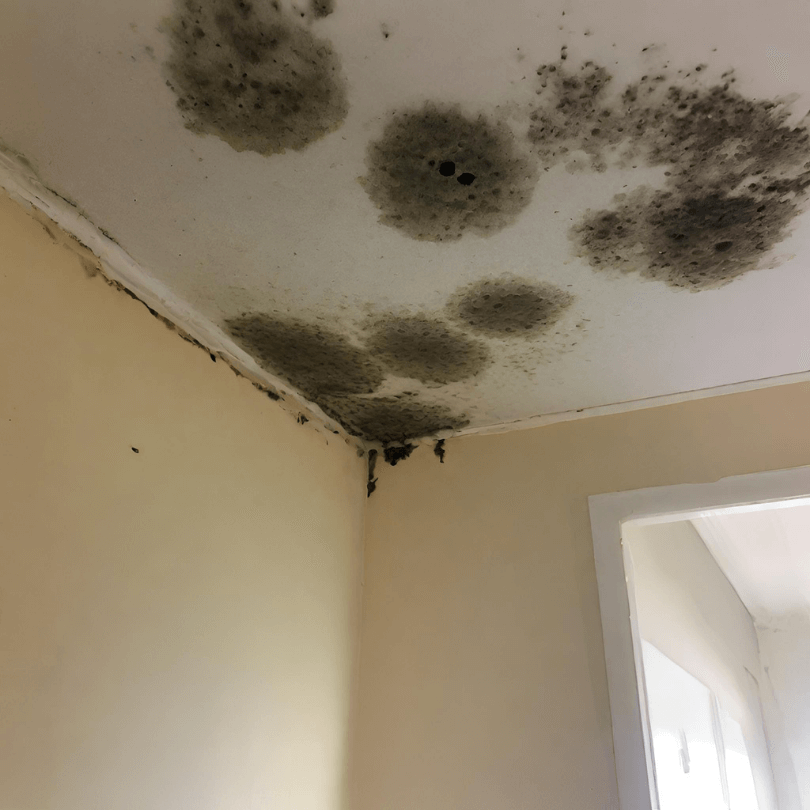
Children and pets are more susceptible to the adverse effects of mould due to their developing immune systems and smaller body sizes, which lead to higher exposure per body weight compared to adults. Mould can produce allergens, irritants, and in some cases, toxic substances known as mycotoxins. Inhalation or contact with these can lead to respiratory issues, allergic reactions, and even more severe health problems.
Choosing Safe Cleaning Agents Many heavy-duty commercial mould cleaners contain harsh chemicals that can pose severe health risks to small lungs if inhaled or if they come into contact with skin. For child and pet safety, many homeowners searching for the best mould cleaners opt for non-toxic, environmentally friendly cleaning solutions. Ingredients like distilled white vinegar, baking soda, and hydrogen peroxide provide effective surface cleaning power without the dangers associated with stronger chemical cleaners.
Securing the Area Before beginning the mould cleaning process, ensure that the area is completely inaccessible to children and pets. Use baby gates or close doors to block entryways, or consider cleaning during times when children are at school or pets can be safely confined to another part of the home or backyard.
Need a Safe, Professional Solution for Stubborn Mould? Don’t risk your family’s health with harsh chemicals or incomplete DIY jobs. Let our certified experts handle the remediation safely. [Click here to visit our Professional Mould Remediation Service Page] to secure a healthier home today!
Proper Ventilation Always keep the space well-ventilated to disperse any fumes and reduce the concentration of airborne mould spores during cleaning. Open windows and doors and use fans to maintain air circulation. This step is crucial to dilute any volatile organic compounds (VOCs) released from cleaning products and to help speed up the drying process, which inhibits further mould growth.
Wearing Protective Gear When cleaning mould, wear gloves, goggles, and a face mask or respirator to avoid direct contact with mould and cleaning agents. This is particularly important in areas with heavy mould infestation. Such protective gear not only prevents you from breathing in mould spores but also from transferring spores to other areas of your home on your clothes, minimising the spread of mould.
Immediate Clean-Up and Disposal After mould removal, clean all tools and protective gear used during the process. Double-bag any rags or disposable items used in cleaning and dispose of them promptly to prevent mould spores from spreading. Ensure that cleaning cloths are washed immediately on a hot cycle or disposed of properly.
Post-Cleaning Air Quality Control After a safe mould cleaning session, it’s essential to maintain good air quality and reduce any lingering spores to prevent re-exposure. Consider using air purifiers with HEPA filters to capture any remaining spores in the air. Keep monitoring humidity levels and address any moisture issues to prevent the mould from returning.
Educating Family Members Educate everyone in the household about the dangers of mould and the importance of keeping the cleaning areas off-limits during the remediation process. Understanding why these precautions are necessary can help family members cooperate more fully with safety measures.
Regular Inspections and Maintenance Regularly inspect your home for signs of mould growth, particularly in prone areas like bathrooms, kitchens, and basements. Address leaks and moisture issues promptly to prevent mould from taking hold. Routine maintenance checks can prevent the recurrence of mould issues and the need for extensive cleaning processes that could disrupt your home environment and pose risks to children and pets.

Protecting the most vulnerable from the hazards of mould requires careful planning, the use of safe cleaning agents, and strict adherence to safety protocols. By taking these steps, you can ensure a safe environment for your entire family while effectively managing your property.
What are the safest mould cleaning solutions to use at home? Safe mould cleaning solutions include distilled white vinegar, baking soda, and hydrogen peroxide. These non-toxic options effectively remove surface mould without the health risks associated with harsh chemicals found in some commercial mould cleaners.
How can I prevent mould from growing in my home? Preventing mould growth involves controlling humidity levels, ensuring proper ventilation, fixing leaks promptly, and keeping surfaces clean and dry. Using dehumidifiers and regularly checking for water accumulation can also help.
Is it necessary to hire a professional for mould removal? While small, surface-level mould issues can often be handled with DIY methods, large infestations or mould resulting from water damage should be addressed by a professional mould clean up service. The best mould removal company will have the industrial equipment and expertise to safely and thoroughly remove mould at its source.
AllAces Cleaning & Restoration has over 35 years of industry experience handling extensive mould cleaning and removal projects. Whether you require dedicated mould cleaning Brisbane, targeted mould cleaners Sydney, or comprehensive mould cleaners Melbourne, our team is equipped to assist. Our IICRC-certified technicians are highly trained and experienced, utilising the latest technology and equipment to ensure the safe return of a pre-loss condition.
Trust the experts and contact the team at 1800 00 10 10 today!