Water Damage Restoration Services
When a water emergency strikes in Queensland, Victoria, or New South Wales, we respond fast. Our water damage restoration services and local certified technicians utilise advanced restoration equipment to extract water from the source, thoroughly dry affected areas, eliminate mould and odours, and safely restore your property.
Speak directly with a Specialist at 1800 00 10 10
35+ Years of Experience
65,000+ Jobs Completed
10+ Industry Accreditations
4.9/5 Google Reviews

The 72-Hour Water Degradation Clock
Water doesn't wait, and neither should you. Calling for professional water damage services immediately can be the difference between a simple fix and a major renovation. By starting water damage cleaning right away, you stop the water from soaking deep into your walls and floors, saving you from unnecessary stress and expense.
Waiting to "dry out on your own" is a major risk. By 72 hours, moisture has likely settled into your building materials, often leading to secondary damage. Our 24 hour water damage restoration teams arrive fast to stop this progression. Choosing professional restoration for water damage ensures your home is dried completely and provides the formal records you need for a smooth insurance claim.
Why Rapid Professional Response Matters
At AllAces Cleaning & Restoration, we don’t just extract surface water, we control the degradation clock. Our IICRC-certified technicians arrive equipped with thermal imaging cameras, moisture meters, and commercial LGR dehumidifiers to track hidden moisture pathways and restore your property safely.
24/7 Emergency Dispatch: Rapid response across QLD, NSW, VIC.
Targeted Structural Drying: Using advanced moisture control, we work to restore affected walls, floors, and timber in place, providing clear, expert advice on the best route for your property.
Comprehensive Remediation: Advanced moisture mapping, mould prevention, and hassle-free insurance reports.
4 Easy Steps to Water Damage Restoration
Quick Assessment and Response
Our water damage specialists arrive fast, identify the water damage source, stop leaks, and extract standing water immediately.

Drying and Moisture Control
Using advanced detection and water removal tools and drying systems, we remove hidden moisture from walls, floors, and carpets.

Cleaning and Mould Removal
We sanitise all affected areas and perform mould remediation to ensure a clean, healthy environment in Melbourne, Brisbane, and Sydney.

Inspection and Restoration
We confirm all areas are dry, accomplished final repairs, and complete restoration for water damage to your property’s pre-damage condition.

Explore Our Water Damage Restoration Hubs
Explore our water damage restoration hubs across Sydney, Melbourne, Brisbane and Ballarat, providing expert local support for water damage, flooding and property restoration.
Water damage requires rapid action. Prevent further impact and reduce restoration costs by contacting our emergency team now.
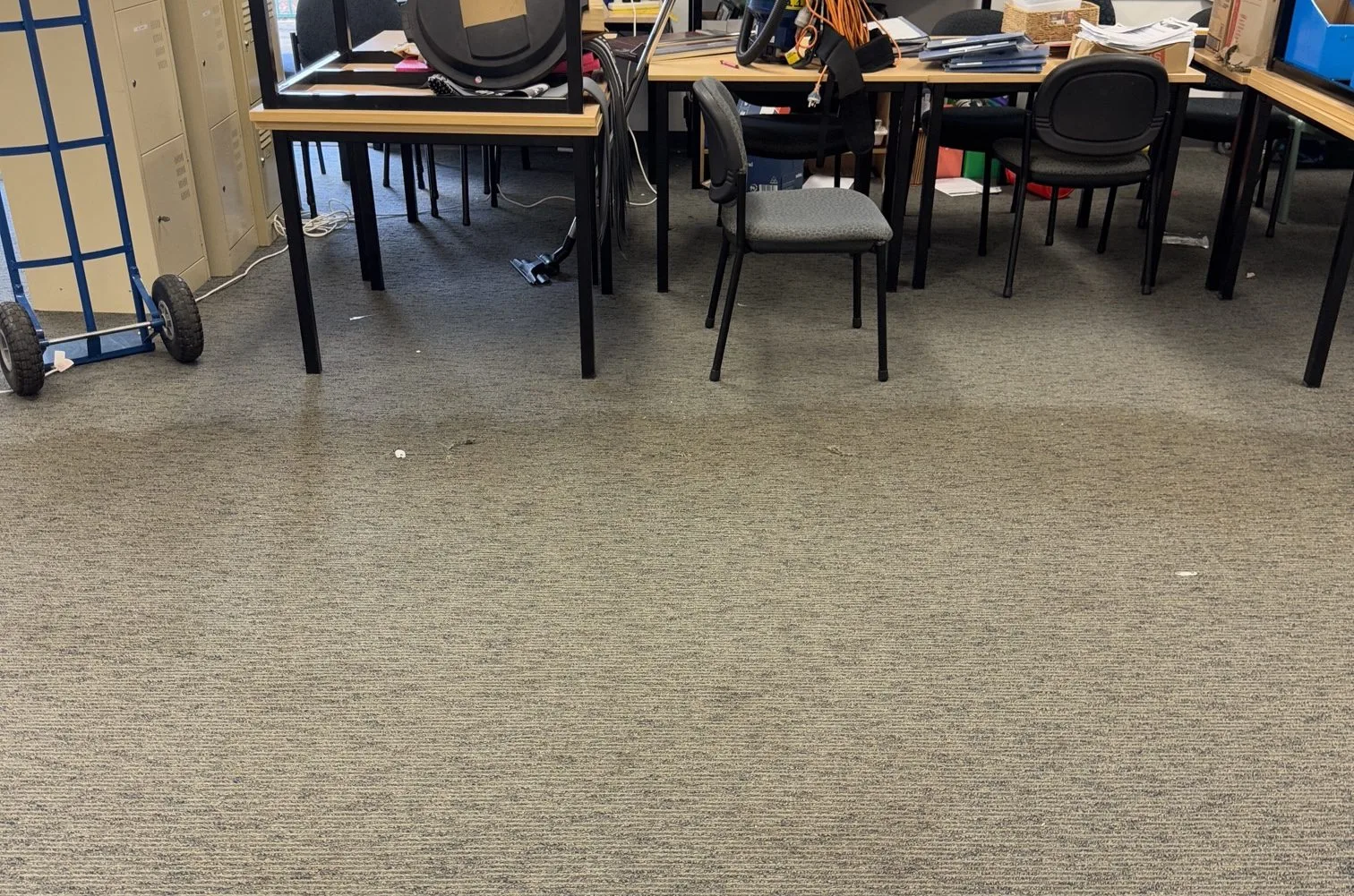
☎ 1800 00 10 10Before and After Water Damage Restoration Transformation



Hear from Our Happy Customers
Posted on Google
 Allan2 days ago
Trustindex verifies that the original source of the review is Google.
Very patient management as we worked through a tough time. Great young team when we finally had the go ahead to start remediation. Highly recommended!Posted on Google Virginia3 days agoAllAces Cleaners arrived at the time previously arranged All works done very well+3Posted on Google
 Crystle3 days agoReally happy with the job done! Had my couch and rug cleaned and both came up great.Posted on Google
 Amanda4 days agoJulian did a wonderful job removing the mould in one of our bedroom & also the ceiling in our sunroom. He was knowledgeable, listened to our concerns & the job wasn’t treated like a rush job, he was very thorough. I can’t recommend him highly enough. Many thanks JulianPosted on Google
 Jess13 days agoLouie & his team did a wonderful job!Posted on Google
 Victoria16 days agoWesley did a great job of removing mould from around the house. He was friendly, professional and very thorough.Posted on Google
 Leigh18 days agoMarc gets 5 Stars because he did a great job AND he was trustworthy, kind, and thoughtful. He listened and paid attention to detail. I highly recommend!!Posted on Google
 Jenny24 days agoI highly recommend the All Aces team for the amazing job they did to remove nicotine odour from my property. My main point of contact was Joseph, who was friendly, professional and attentive throughout the process. He took the time to listen to my concerns and provided expert advice on the best approach to effectively eliminate the odour. The entire team was professional, efficient, and thorough, and they surely did a fantastic job. The results exceeded my expectations, and I couldn’t be happier with the servicePosted on Google
 Sirish25 days agoJeremy and Wesley did a fantastic job with our Condition 3 mould remediation. From start to finish, they were professional, thorough and incredibly helpful. They went above and beyond to make sure the job was done properly, and we were extremely impressed with the quality of their work. We absolutely loved the result and wouldn’t hesitate to recommend Jeremy and Wesley to anyone needing mould remediation. Also a big thank you to Nick and Bella for patient and answering all my questions. Fantastic service and a great team — highly recommended!Posted on Google
 Fleur30 days agoGreat de-molding of car. Prompt responses to emails.Posted on Google
 Sarah31 days agoCannot speak highly enough of All Aces. Every person involved including the technicians who came out to investigate the property have been incredibly professional and an absolute delight to work with. Both Carla and Bella managed the whole process and were patient with my delays. Wes and Jeremy were tasked with cleaning the entire apartment as mould had spread and was extensive. Both Wes and Jeremy took the time to thoroughly clean the apartment, leaving no stone unturned. They promptly communicated everything with me and kept me updated throughout the day. Wes worked out where the moisture was coming from in the apartment and Jeremy found rings that I had lost behind a cupboard they had to move. I cannot thank both of them for their contribution to cleaning my apartment enough.Posted on Google
 Maree34 days agoExcellent company and easy to deal with. The assessment done by the friendly general manager was thorough and balanced. The technician who came for the work was excellent. He was very polite and discreet and worked very hard. We were very happy with the results.Posted on Google
 Nick37 days agoabsolutely amazing service from everyone. The ladies I organised everything with were super easy and knowledgeable. Julian and Mark both absolutely smashed out my job, were super friendly, understanding, nonjudgmental. Definitely would use them againPosted on Google
 Byrnzy38 days agoHad silica dust throughout kitchen - called All Aces at 7pm and they were here by 8pm - throughly cleaned the area and were out the door by 10pm Dali was clear and upfront on the phone and had a cleaner on the way within minutes Ethan, the young professional who arrived on site, provided an A1 service and decontaminated the area swiftly. He was knowledgeable and respectful. I hope to not need this kind of service again but if I do, these guys are on speed dial!Posted on Google
 Alton45 days agoJoe was plesant and did worked with me to get the best price. Happy with their service. Job done in timely matter.Posted on Google
 Age46 days agoJoseph, is straight to the point and completely honest. Very easy to talk to and contact. Couldn't be happier. Thankyou.Posted on Google
 Catherine47 days agoJoseph and Deacon arrived perfectly on time and were so thorough and personable. They gave me honest and genuine feedback on the house and let me know areas of immediate action but also areas to keep an eye on. And suggestions to make my home less susceptible to mould! Would highly recommend them! Their quotes were given promptly and their follow up impeccable. Would use them again for surePosted on Google
 Leisa54 days agoGreat service and friendly team. Would highly recommendPosted on Google
 Amy54 days agoReally please with this cleaning service! Communication with the team was great, the gentleman who did the cleaning did an excellent job, and all in all the experience was really fast and friendly. Will use again!Posted on Google
 Shay60 days agoWe used AllAces NSW recently for our property. They carried out the work as discussed but beyond that, they were incredibly professional throughout the process and were available for ongoing communication post work completed. We were supported by Bella, a business service manager, who was incredibly helpful and went above and beyond to support us.Verified by TrustindexTrustindex verified badge is the Universal Symbol of Trust. Only the greatest companies can get the verified badge who has a review score above 4.5, based on customer reviews over the past 12 months. Read more


Certified & Accredited Professionals
What Our Accreditations Mean for You
Dealing with flood or water emergencies can be overwhelming. Choosing an unaccredited provider risks secondary damage, mold growth, and rejected insurance claims. When you partner with AllAces Cleaning & Restoration, you benefit from over 35 years of accredited expertise.
Insurance-Compliant Standards: Our IICRC and RIA credentials mean our water damage restoration processes meet strict global and national guidelines, ensuring smoother claim approvals with your insurance provider.
Advanced Technical Proficiency: We don’t guess; we measure. Our technicians utilise cutting-edge technology for water remediation, advanced structural drying, and precision moisture mapping.
Health & Safety First: Backed by Greencap and the Indoor Air Quality Association (IAQAA), our water removal services prioritise your health by proactively preventing toxic mold and secondary contamination.

Don't Let Water Damage Escalate. Get Expert Help Now
Water migration doesn’t stop on its own, and delaying action only increases structural risks and mould growth. Contact our 24/7 rapid response team today, and AllAces Cleaning and Restoration will arrange for a qualified technician to inspect your property immediately. You’ll receive detailed recommendations and a customised quote tailored specifically to your water damage restoration needs.
Contact Form
Frequently Asked Questions
Our team are just a phone call away if we haven’t answered all your questions here.
Water damage restoration services provide a comprehensive, multi-step process for 24 hour water damage restoration following a water intrusion event. It goes far beyond simply mopping up visible water. The initial phase requires immediate water damage cleanup, which involves rapid water mitigation and the removal of unsalvageable materials.
From there, technicians deploy industrial-grade dehumidification and drying equipment, apply antimicrobial treatments to prevent mold growth, and execute structural repairs. The ultimate goal of professional restoration for water damage is to safely and effectively return your home or commercial property to its pre-loss condition while ensuring the environment is hygienic and structurally sound.
Common causes include flooding, burst pipes, roof leaks, appliance malfunctions, cat 3 water, and stormwater overflow. These can lead to significant damage if not addressed promptly.
Yes. Complete and thorough drying is the cornerstone of our restoration process. Our highly trained technicians utilize advanced moisture detection technology, including thermal imaging cameras and specialized moisture meters, to locate trapped water hidden behind drywall, under floorboards, and within ceiling cavities. We then implement targeted structural drying techniques using high-velocity air movers and commercial desiccant dehumidifiers to eradicate all moisture, preventing long-term structural rot and inhibiting harmful mold proliferation.
We will not complete a job until the moisture content is at a level deemed acceptable by IICRC standards.
Our office is staffed Mon–Fri, 7:30am–5pm, but our emergency response teams are on call 24/7, 365 days a year.
Pricing is variable based on a number of factors size of the effected area, severity of water ingress, time of day and the water class type. For more information on your unique circumstances, call our offices on 1800 00 1010.
Your primary focus should be safety. If it is safe to do so, immediately turn off the main water supply to stop the flow of water and shut off the electricity to the affected areas to prevent electrical hazards. Move small furniture, valuable items, and important documents to a dry location. If the water damage is from a clean source, you can begin soaking up excess water with towels. However, never enter a room with standing water if the electricity is still on, and avoid contact with water that may be contaminated by sewage.
We evaluate all contents and materials on a strict case-by-case basis. If the water is clean (Category 1) and we respond quickly, we can often extract the water, clean, and completely dry carpets, rugs, and upholstery. However, if the water has been sitting for an extended period, or if it involves contaminated grey or black water (like a sewage backup), porous items like carpets and heavily padded furniture must usually be safely discarded and replaced to prevent severe health risks and mould growth.
We operate throughout Brisbane, Melbourne, and Sydney, as well as the Gold Coast, Sunshine Coast, and Northern NSW regions. If you have a property emergency, our IICRC-certified local teams are on call 24 hours a day, 7 days a week.
We provide 24/7 emergency water damage restoration across major Australian metropolitan hubs and surrounding regions. Our physical depots allow us to respond rapidly to residential and commercial properties in:
Queensland: Brisbane, Gold Coast, and the Sunshine Coast.
New South Wales: Sydney, the Central Coast, and Northern NSW.
Victoria: Greater Melbourne and surrounding suburbs.
Have a different question? Browse all frequently asked questions →
Discover More Articles and Resources
Discover our latest blogs, where we share practical guides and tips on water damage restoration to help you effectively manage moisture, prevent mould, and restore your property to its original condition.

Vehicle Decontamination vs Car Detailing: What’s the Real Difference?

What Most Homeowners Get Wrong After a Fire (And How to Avoid Costly Mistakes)

Fire Damage Restoration for Commercial vs. Residential Properties
Also Serving These Locations
AllAces provides certified restoration and remediation services across Australia. Find your local team below.